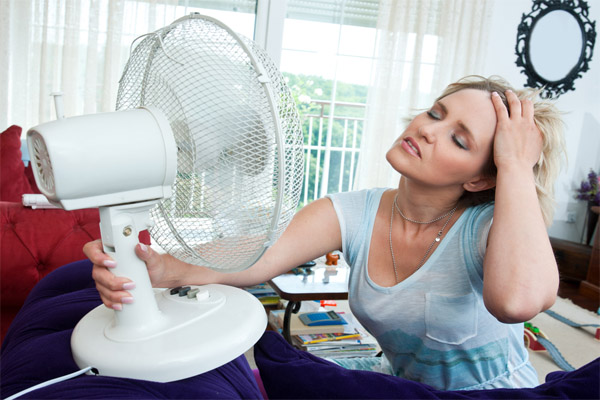
 Having a hot and sticky home can make life unbearable. Thankfully, with the help of a ductless air conditioning system, you can feel nice and comfortable, even when it is unbearably humid outdoors. In this article, we will discuss ductless HVAC systems. We will explain how they are different from other HVAC systems and why they are the perfect alternative cooling system for your home. We will describe how they create a comfortable indoor climate. Also included in our discussion will be the energy efficiency of these units.
Because humidity is the enemy of comfort, part of our discussion will focus on how mini-split ductless systems help control the humidity in your indoor environment. You will learn the dangers involved when humidity levels are allowed to go unchecked.
What Is A Ductless Air Conditioner?
Table of Contents:
-
- What Is A Ductless Air Conditioner?
- Problems With High Humidity In The Home
- How Humidity Builds Up In The Home
- How Air Conditioning Systems Can Improve Your Indoor Air Quality
- How A Ductless System Can Remove Humidity From Your Home
- Check Out One Of Our Ductless Installation Projects
- Call Skylands Energy Service For All Your Home Comfort Needs
Ductless mini-split air conditioning systems are not like other air conditioners. Ductwork is not needed to deliver the treated air throughout your home. Also, unlike window air conditioning units, they are not installed in an open window where and make it easier for criminals to gain entrance into your house. Furthermore, ductless air conditioners do not impair the view like window AC units do. So, what are ductless air conditioning units?
Installation & Placement
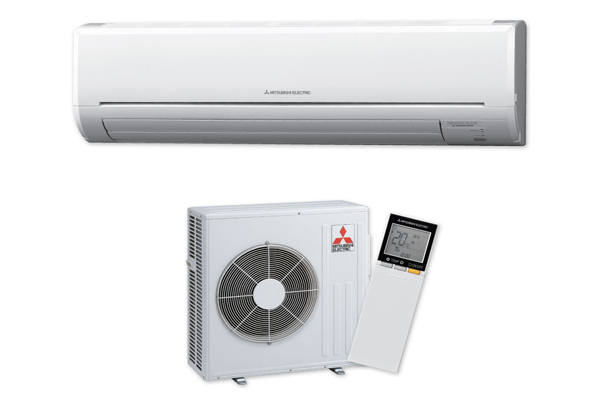
 Ductless systems require little to install. Just a small 3-inch hole in a wall is needed to connect the outdoor unit with the indoor unit. This hole allows the installer to thread the conduit containing the unit’s electrical line and tubing through the wall. The tubing delivers treated air from the outdoor compressor/condenser to the indoor air-handling unit. Without ductwork to be concerned with, installation is fast and easy.
Mini-split ductless air conditioners are flexible enough to be installed anywhere in the home. That could be in a living space where additional cooling is needed. They also work well in home additions since they allow homeowners to avoid the expense and trouble of adding ductwork. They can also supplement or take the place of other cooling systems if the need arises.
Single Zone & Multi-Zone
A single outdoor mini-split ductless system condenser can be used to condition the air in multiple rooms. Therefore, there is no need to invest in numerous outdoor units to maintain the desired indoor temperature of your home. However, a separate air-handler is required in each room or zone.
Situations where traditional air conditioning systems simply may not be the best choice are workshops that are not already equipped with cooling systems or ductwork. For freestanding garages and other structures not connected to the home, mini-splits are the perfect option when transforming these structures into living or working spaces.
Anyone who has ever added an extension to the home understands how difficult and expensive it can be to include ductwork to the overall project. Sometimes, with the addition of another room or two, it becomes necessary to add another air conditioning unit or replace the old one with a larger model. The simple solution is to add a mini-split system to these spaces. Also, ductless units are highly energy efficient. Therefore, many homeowners use them to supplement their central cooling systems.
Problems With High Humidity In The Home
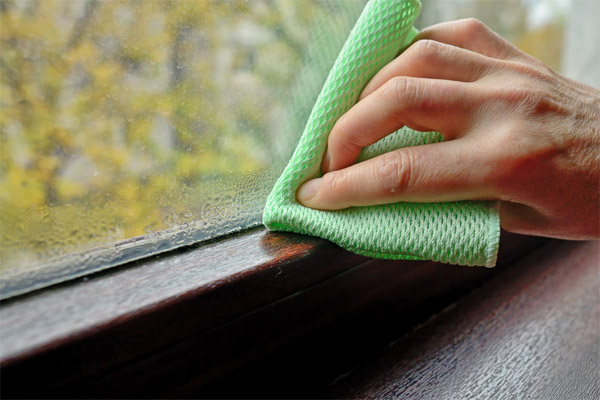 Have you ever noticed a musty odor in your home that wasn’t there before? Maybe the windows are foggy, or you find yourself sweating even though you are just sitting there trying to relax. Even worse, there may be mold growing in the shower. The likely cause of this is too much humidity.
It is certainly uncomfortable and unsightly having too much moisture in the air you breathe. However, the most important thing you need to know is that it can also be dangerous to your health. People with COPD, or other lung conditions, cannot breathe as well under humid conditions. Additionally, mold, mildew, and bacteria grow best when the humidity is high. The spores add to allergic reactions and other breathing problems.
Condensation building up on your windows will block your view, and cause peeling paint on the walls and ceiling. When it comes to your family’s health, that is a more serious situation. Maintaining a healthy indoor environment is one of the most important things you can do for your loved ones.
How Humidity Builds Up In The Home
Shower
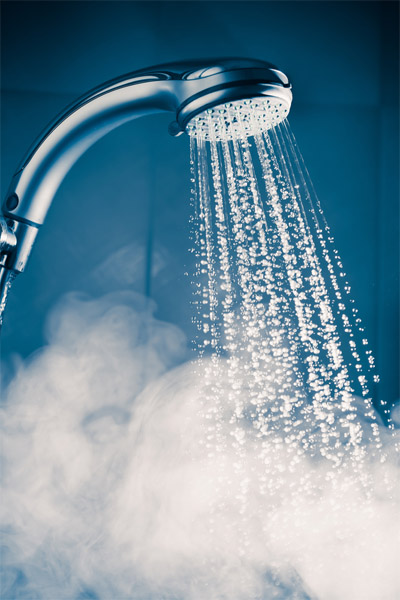 Each time you shower, water vaporizes into the air. The warmer the water, the more water vapor it creates. You can see this as it condenses into droplets on cool surfaces like mirrors. When you open the bathroom door, humidity escapes into the rest of the home. It can show up as condensation on the windows and other places, like the ceilings and walls where mold and bacteria can grow.
Cooking And Boiling Water
Anyone who has ever watched a pot or kettle of water boil knows that moisture from this practice gets into the air. No one is asking you never to make another cup of tea or mac and cheese for the family. However, you should know that, just like taking a shower, cooking creates humidity.
Gas Heat
Water vapor is one of the byproducts of burning gas as a fuel for heat. If your gas heater has a flue to vent the combustion pollutants out of the home, there should be little worry that it is adding these to the indoor air. However, some gas heaters are not vented. These will most certainly release water vapor and other pollutants into the indoor air and reduce indoor air quality.
Inadequate Ventilation
Your home’s ventilation system is intended to remove extra humidity and other pollutants from the indoor air. Nevertheless, when the ventilation system is not adequate enough to handle the job, a buildup of humidity and other pollutants is the result. The sad result is that it can make your family sick and aggravate allergies and other respiratory disorders.
Location
Living in humid climates, such as along coastlines, is another way your home can become oversaturated with humidity. There may be nothing you can do to prevent high humidity outdoors. However, you should do everything you can to create the best indoor air quality in your home.
How Air Conditioning Systems Can Improve Your Indoor Air Quality
 If you can reduce the amount of humidity in your home, you and your family will be healthier and more comfortable.
Most people believe that the main reason air conditioners keep us comfortable is because they cool the air around us. However, they do much more. They filter pollutants and moisture out of the air as well. By removing contaminants, such as mold and bacteria spores, indoor air quality improves.
Air Filtration
You can help with that by making sure that the air filters are kept clean. Cleaning the filters or completely replacing them with new ones removes particles that get trapped in the filter. Clean filters make it easier for air to move through the vents and that contributes to the unit’s energy efficiency as well.
You can increase the energy efficiency and comfort provided by your air conditioner just by selecting the best unit for your space. Size does matter, and when it comes to air conditioning units, you should never choose a unit that is too small or too large for your needs. One that is too small will never catch up and will run all the time and this leads to greater energy consumption. A unit that is too large will cycle off and on too frequently and that also adds up in energy costs.
Air conditioning systems with high SEER ratings maintain good indoor air quality better because they keep the air flowing through the filters longer. Those with variable speed modes maintain constant temperatures better which also helps eliminate too much humidity.
By selecting the most appropriate air conditioner for your home, and having it installed properly, it should serve your family well for many years.
How A Ductless System Can Remove Humidity From Your Home
 Humidity affects us in a number of ways. It makes it harder to breathe for those with lung problems. It can also make it harder to breathe for the average person on hot muggy days. Also, it makes us feel sticky and uncomfortable. We stick to our seats, and it’s harder to cool down even when the air conditioner is turned on full blast.
By removing humidity from our homes, we stay more comfortable even at higher temperatures. We save energy because it takes less to keep us cool and that saves money. Maybe the best news of all is that less moisture means it is harder for mold and bacteria to grow. Families with allergies and respiratory issues can expect to stay healthier while remaining more comfortable in their homes.
Dry Mode
When compared to traditional air conditioners, ductless air conditioners are very effective at removing humidity from the indoor environment, and they are efficient to operate. They remove moisture from the air while cooling the air with greater flexibility than other units. They even offer a “dry mode” that is separate from the cooling mode. This option is not offered by other cooling systems.
Mini-split ductless systems produce cool air by moving warm indoor air over a coil that is filled with refrigerant coolant. The coolant absorbs the heat from the air which drastically reduces its temperature. Cooler air does not hold as much moisture. We can see that during the winter when the air turns dry. As the air cools, the moisture condenses as it moves over the coil. It then drains out of the unit before the air is reintroduced into the home.
As mentioned before, “dry mode” is an option that is available on mini-split systems. When in dry mode, the fans operate at a slower speed, which allows the air to remain on the coil longer. The longer air is on the coil, the more moisture can be removed. Although this setting does continue to cool the indoor environment, it is not going to make you feel uncomfortably cold. With most cooling systems, you set the thermostat lower to remove more moisture, creating an uncomfortable environment.
Check Out One Of Our Ductless Installation Projects
Case Study: Clark Mitsubishi Ductless Installation In Sewaren NJ
Call Skylands Energy Service For All Your Home Comfort Needs
As we have seen in this article, keeping the family comfortable while improving indoor air quality is an important matter. We do that by conditioning the indoor environment with the best air conditioner we can afford, and one that removes excess humidity from our homes.
If you are looking for an alternative to your current air conditioning system, maybe you should take a better look at mini-split ductless units that offer greater flexibility and energy efficiency while delivering more options to suit your needs.
You have the option now to choose the best HVAC system to ensure low energy costs, home comfort, and safety. If you are ready to switch to a ductless system or have more questions, call Skylands Energy Service right away. Our NATE-certified technicians will discuss your needs and requirements to help you understand the best HVAC system for you. We offer a range of services from installations to repairs to replacements. We also offer an in-home estimate free of charge. Call Skylands Energy Service today.
Contact us now at (908) 707-1776 to find out more!
The post Removing Humidity With A Ductless Air Conditioner appeared first on Skylands Energy.
from Skylands Energy https://www.skylandsenergy.com/ductless-heating-cooling/ductless-air-conditioner-humidity
via IFTTT

 Thanks to better technology, we are able to create environments that are customized to our needs and preferences. The
  Ask your local HVAC technician, and they will probably tell you that installing ductwork requires a lot of skill and effort. It is complex and complicated. Mini-splits do not require ducts, making them easier and quicker to set up. To install a ductless mini-split system, a technician will drill a small hole through the wall. This hole is a mere three inches in diameter and will be used to allow a conduit to pass. This is probably the most work that a technician will do before the outdoor and indoor units of the ductless system are installed. It does not require a lot of effort, tools, or back-breaking construction work. Furthermore, you won’t have to live in a construction zone, which is common when a home chooses to install a ductwork system.
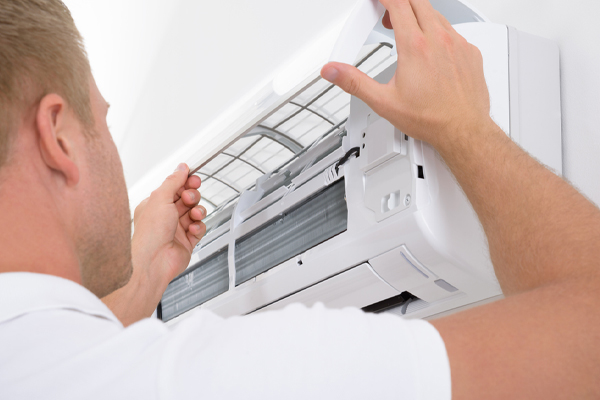
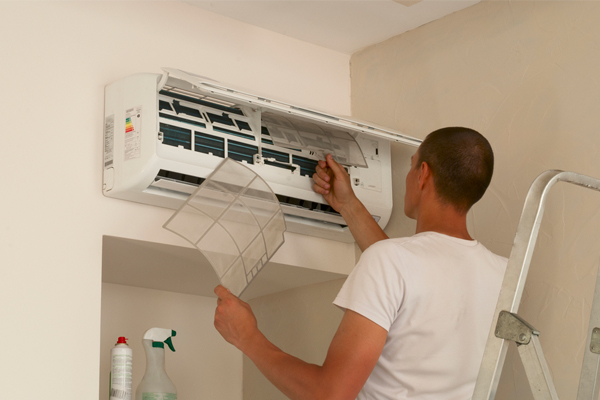 Ductworks are notorious for collecting dust, pollen, mold, dirt, and harmful VOCs. The ducts distribute these contaminants into the rooms. Since ductless systems do not push air through ducts, there is no need to worry about polluted air being circulated indoors. Ductless systems, however, do have filters that need to be cleaned or replaced regularly.
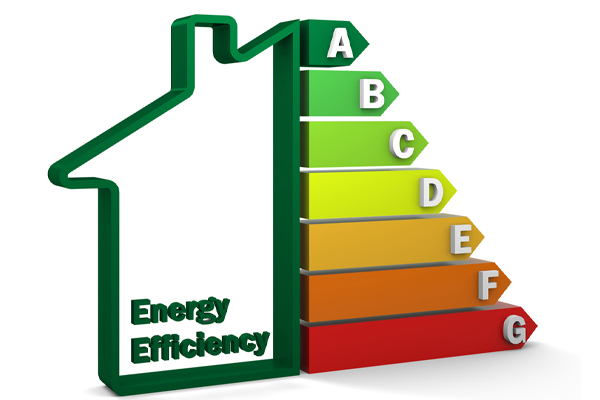 Often referred to as
  Mini-split HVAC systems take a multi-dimensional approach to create higher levels of energy efficiency. Ductless systems do not present the same issues that are common among forced-air or conventional HVAC systems. According to many HVAC experts, forced air systems lose about 30 percent of all air being passed through ductwork. As such, these systems have a high rate of energy loss.
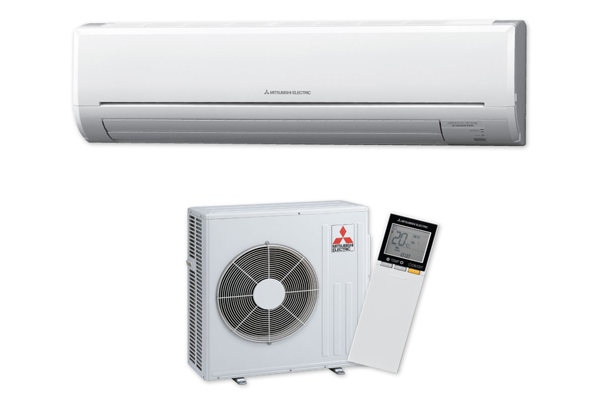 Mitsubishi ductless mini-split HVAC systems have completely revolutionized energy efficiency within the residential environment. This has made it the go-to option in HVAC systems for those who are looking for reliable functioning, given that this is exactly what the Mitsubishi brand promises and provides.
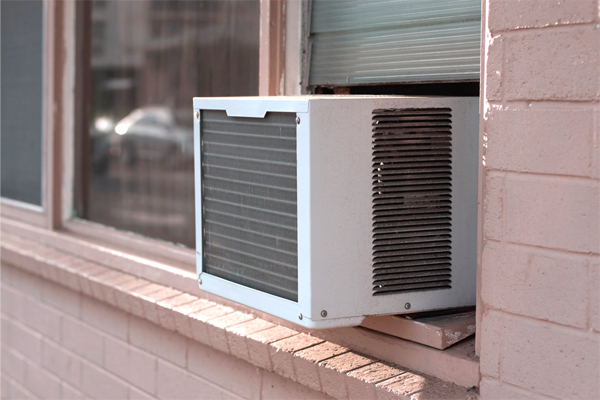 Those who own a home without HVAC ductwork will need to choose between getting a ductless air conditioner or a window air conditioner to endure the summer heat.
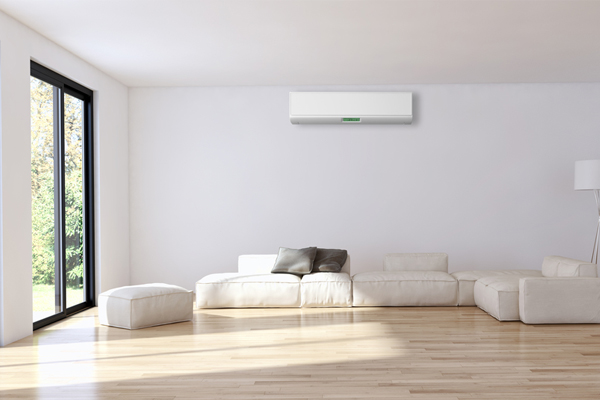 Here is a comparison of the two types of air conditioning systems.
 If you are still using a traditional HVAC system in your home, you may have experienced several frustrations with your heating and cooling system. Aside from the inefficient use of energy, old HVAC units may not provide the desired comfort and indoor air quality. Furthermore, they may be too noisy.
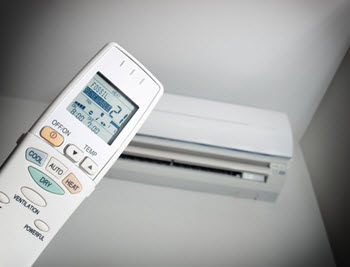 Ductless HVAC systems do not require any ductwork. They are designed to deliver efficient and flexible heating and cooling inside your home or inside a specific room in your home. It includes an outdoor unit and an indoor unit. The outdoor unit is installed outside the home, usually at ground level, and is connected to the indoor unit by a refrigerant line and electrical wiring through a hole in the wall. Many indoor units can connect to one outdoor unit.
 The mini-split technology allows an HVAC system to deliver targeted heating or cooling. It uses smart technology that intelligently adjusts heating or cooling output to provide a constant temperature in a room. It contains a microcontroller that can sample the air and adjust the speed of the compressor accordingly.
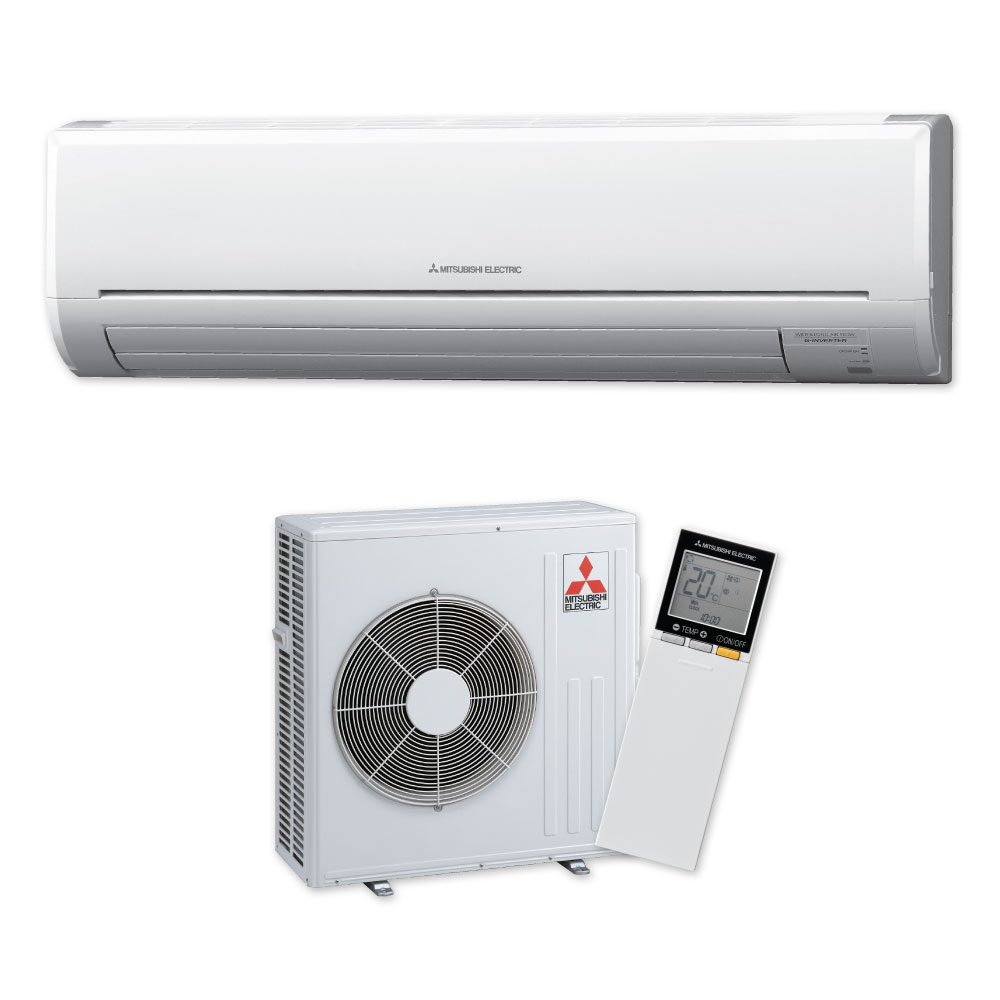 Fixed speed compressors are a bit inefficient when it comes to delivering cool air inside a home. These compressors cycle the unit on and off whenever the temperature dips below a target temperature. This can lead to undesirable temperature fluctuations that can cause energy inefficiency and higher energy bills.
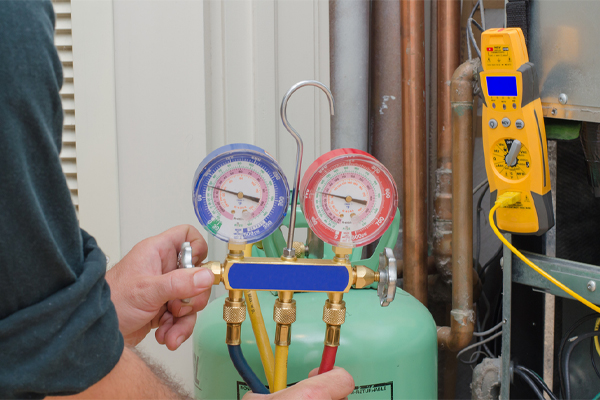 The refrigerant is a chemical compound that cools down the air. To cool down a room, the AC unit takes warm air in from the interior of a home and expels the air out. It does this while pulling air in and cooling it down as it passes through the coils. If you have a refrigerant leak, the cooling capacity of the AC unit is reduced. It may no longer be able to cool down the room efficiently. The action of heat absorption and heat release become disrupted, causing the compressor to shut down too early, then turn on immediately afterward. What this means is that you might just be looking at a high-priced
 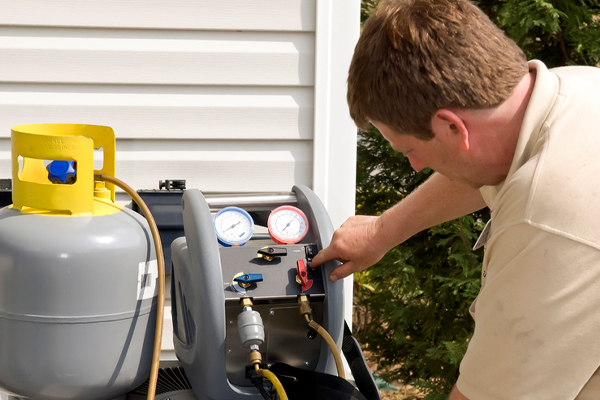 If the HVAC system in your home is acting up, do not try to fix it yourself. HVAC professionals have the training and the experience necessary to deal with HVAC situations.
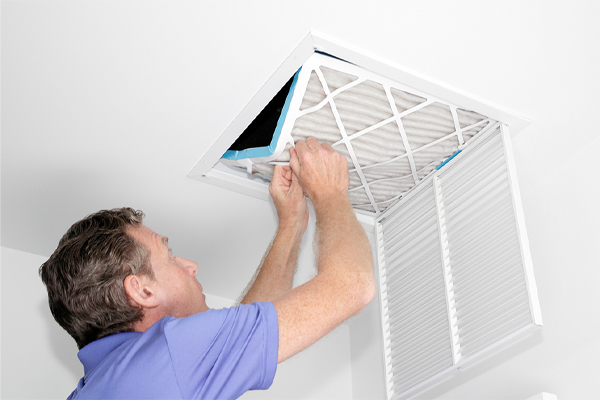 The air filters are an essential line of defense for keeping the air in your home clean. Over time, dirt and dust build up on air filters. That is why you must replace them on a regular basis. A clogged air filter leads to reduced quality of air, temperature fluctuations, and possible damage to other parts of your home HVAC system.
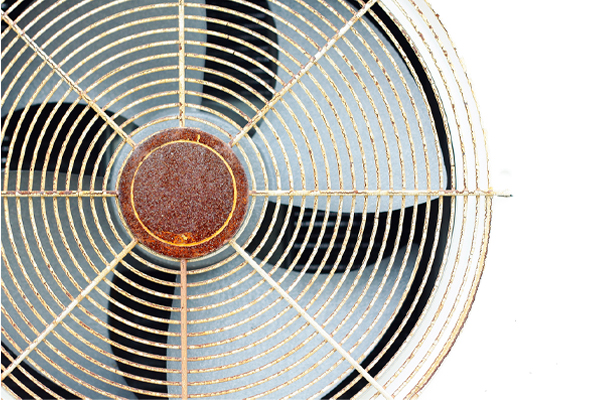 You may run into airflow problems if you have remodeled your home. The original