Monday, September 14, 2020

Ductless Mini-Split Sizing Guide

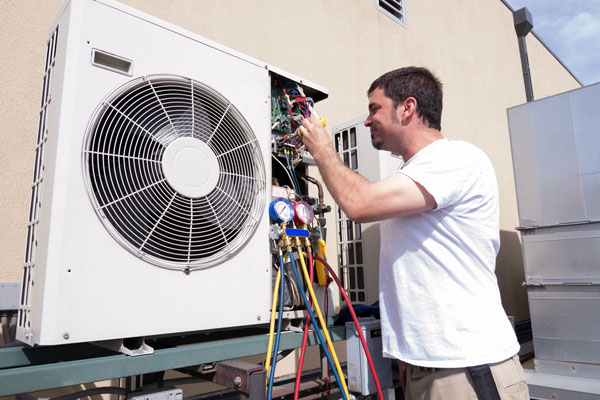
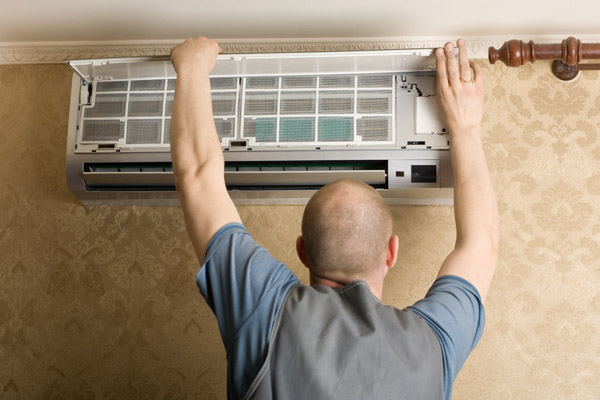
image of an hvac contractor sizing a ductless air conditioner

Are you thinking of switching to a ductless mini-split system? Make sure that the unit is the correct size. Ductless mini-split systems are high-efficiency HVAC systems since inverter technology is built into their design. With this technology, mini-splits can generate a specific level of heating or cooling to match your preferred temperature settings. However, even if a mini-split system and a ductless heat pump have inverter technology, it may still not suit your needs if it is sized incorrectly. In this article, we share a ductless mini-split sizing guide to help you out.

Learn More About Mitsubishi Ductless Systems Call To Schedule A Free, In-Home Estimate

What Is Ductless Mini-Split Sizing And Why is It Important?
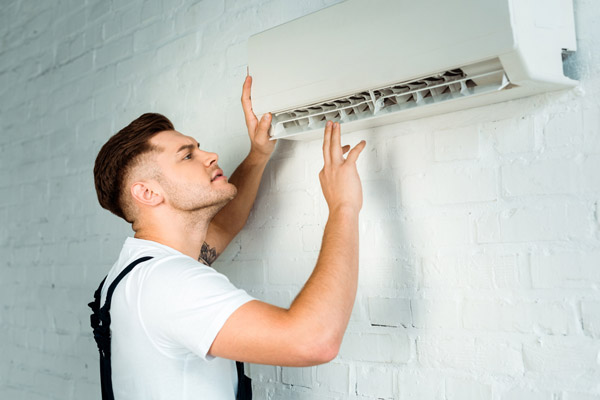
ductless mini-split sizing by hvac technician

If you are planning on getting a new HVAC system installed in your home, you and your contractor will have to discuss the proper size. This is to ensure that the system is neither too small nor too big. The same principle holds true with ductless mini-split systems.

A mini-split system that is too small will not be effective in regulating the temperature indoors. If the unit is oversized, on the other hand, it will not be as efficient as it should be and will likely wear out more quickly.

When a mini-split system or a ductless heat pump is correctly sized, you are assured of constant comfort and excellent energy savings. The correct-sized system will be capable of effectively cooling or heating your home. A good way to ensure efficiency and comfort is to install a ductless heat pump system that carries a BTU rating that will match the cooling/heating needs of your home.

What Is A BTU?

BTU stands for British Thermal Unit. It is a unit for measuring thermal energy. BTU is an expression of the amount of heat required to increase the temperature of 1 lb. of water by 1° Fahrenheit.

Generally, larger rooms require a higher BTU rating for your mini-split system. Ductless heat pumps typically come with BTU ratings of about 6,000 to as much as 56,000. When looking for a mini-split and determining your BTU requirements, remember that the heating capacity of these systems should be higher than their cooling capacity.

You should also keep in mind the size of the system. Make sure that the ductless heat pump system is not too big or too small for the space you want to cool or heat. If you choose the wrong size for the unit, you will likely experience discomfort. The overall functionality of the system could also be affected.

Call Today: (908) 707-1776

What If The Ductless Heat Pump Is Too Small?

image of a couple feeling cold due to undersized ductless mini-split

If your mini-split system is smaller than the requirement, it will be inefficient, causing temperature deficiencies in your home. You will also notice that your home is not cool or warm enough. Of course, the unit will still work but it will fail to keep indoor space conditioned effectively. As a result, the unit will just consume energy without giving you the full comfort you expect. Due to the small sizing of the HVAC unit, you will experience hot and/or cold spots in certain areas of your home since the unit is not big enough to supply conditioned air to those locations sufficiently.

If the ductless mini-split system is too small, it will also have to work harder to make up for the inadequacy of its heating or cooling capability. As a result, the unit will wear out prematurely. This makes it more prone to early breakdowns. Since it will be working doubly hard, you could also expect higher utility bills.

What If The Ductless Heat Pump Is Too Big?

On the other end of the scale, there’s the bigger mini-split. Some homeowners think that by getting a unit that is bigger than the correct size, they will enjoy better cooling or heating. This, unfortunately, is not true. Since the price is directly proportional to the size and capacity of the unit, you will also pay more for it. Also, since the capacity is bigger, forget about any savings you will have in terms of energy cost.

Another issue with a mini-split system that is oversized is short cycling. This is an issue wherein the unit turns on and turns off repeatedly within short periods. The problem is that it leads to premature wear and tear. When this happens, the system will malfunction and fail.

Mini-splits also work as dehumidifiers. However, if the unit short-cycles frequently, it will not be as effective in removing humidity. As a result, humidity levels in your home will be higher than usual.

Explore Mitsubishi Ductless Mini-Split Systems Call To Schedule A Free Consultation


Properly Sizing Your Ductless HVAC Systems
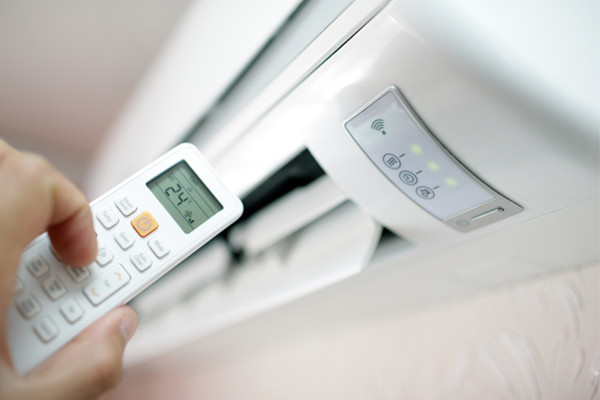
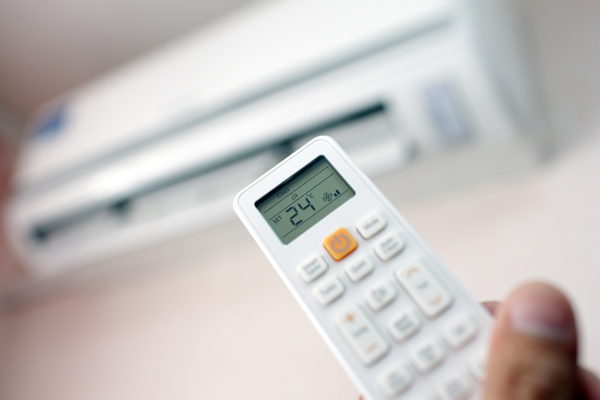
ductless mini-split remote controller

There are factors that should be considered when you choose a mini-split system. These factors include:

  • The size of your home, room, or space
  • Single-zone or multi-zone application
  • The size of the outdoor compressor compared to the size of the indoor unit(s)

Room sizes in a home may vary. Some rooms may be bigger than others, for example. Should this be the case in your home, make sure the BTU rating of every air handler matches the heating and cooling needs of your home. If your outdoor compressor is different in size from your indoor units, it should not matter as long as it is complementary to the indoor air handlers.

If you have the knowledge and some experience, you could probably try to compute for the size of the mini-split system for your home. However, to get accurate figures, make sure to work with a professional. An expert HVAC technician often conducts certain steps to calculate the correct size of a mini-split or ductless heat pump. These steps include:

  1. Determine the size of the rooms per square foot. This is done by measuring the length and the width of the interior space and multiplying these numbers. Let’s say the room is 30 feet in length and 40 feet in width. If you multiply 30 by 40, you have a room that is 1,200 sq. ft. in area.
  2. Determine the approximate BTU rating. To find the figure, the technician multiplies the room area by 25. Given the example above, we take 1,200 sq. ft. multiplied by 25 and we have the ideal BTU of 30,000.

The method of calculating BTU demonstrated above is best for rectangular rooms. It could also work for circular- and triangular-shaped rooms. If you have an uneven-shaped room, a professional will still be able to calculate the required BTU by determining the area of the room. With this figure, your HVAC technician can then advise you about the exact sizing requirement of your home.

Here is a list of approximate BTU sizing for your mini-split system:

Ductless Mini-Split Sizing Chart

Call To Learn More About Ductless Heat Pumps

HVAC Load Calculation: Factors To Consider

Other than room size, there are other factors that will affect BTU capacity. Environmental conditions, along with certain external factors can also affect your BTU requirement and ultimately, the size of the mini-split system you need. Some of these factors include:

Climate

Climate can affect indoor temperatures. If you live in areas that experience high or low temperatures, your mini-split system may have to be sized differently. Let’s say your area experiences in excess of 90° Fahrenheit during the hottest months. In this case, the mini-split system you need should be capable of increasing the BTU rating by a minimum of 30% to make it effective.

Age And Insulation

The year your home was built is another key factor to consider before buying. Newer homes, for example, often have better insulation compared to older structures. This is largely due to building codes that have been revised over the years. If you have an older home, it is likely it does not have good insulation and will require more power to heat or cool. As such, you will need a mini-split system that has a BTU rating that is increased by a minimum of 30% to maintain a comfortable indoor temperature. If your home is new and has good insulation, you likely will require a unit with lower BTU.

Ceiling Height

The height of your ceilings will affect the size of the rooms. High ceilings, for example, make the area of your room bigger. In most homes, the average ceiling height is around 8 feet. For homes with higher ceilings of, say, 10 to 15 feet, you will need to increase BTU capacity by a minimum of 20% to ensure sufficient performance.


Other Factors To Consider

There are factors found in your home that must also be considered so you can choose the correct BTU load. These are:

  • Doors And Windows: It matters whether or not your doors and windows are properly insulated because this will affect the BTU load. If you have more windows and doors, or if there are cracks and gaps in the joints of the doors and windows, know that this will cause air leaks and will affect the performance of your mini-split system.
  • Direct Sunlight: Rooms that receive direct sunlight are generally warmer than other rooms. Consider how many rooms receive direct sunlight and for how many hours so you can determine the correct capacity of your mini-split system.
  • Kitchen: If you want a mini-split unit in your kitchen or in a room close to it, you will likely need a bigger-sized unit. Kitchens are generally open spaces that produce heat from stoves and ovens, which means they will require more power from your mini-split system.
  • Number Of Occupants: Human bodies generate heat, so the more people there are in your house, the more cooling or heating capacity you will require.
  • Lightbulbs: Lighting fixtures will generate heat when turned on, with some types heating up space more than others. If your house has a lot of heat-producing lightbulbs, factor this into your capacity/sizing calculation.
  • Floor Type: Any carpeting on the floor is a type of insulation. If you just have hardwood, tile, or stone floors, your mini-split or ductless heat pump will have to work more to produce heat.


Conclusion

The load calculation is the process of determining the correct size of a ductless mini-split system for use in living space. The correct calculation of this figure will ensure that your home and all the spaces in it will receive constant and comfortable warm or cold air.

There are resources on the Internet that allow you to calculate load. However, these do not often include other important factors. If you want more precise calculations, better consult a professional HVAC technician. A qualified expert in the field can ensure that you get the correct figures and the perfect product for your needs.

Call Skylands Energy Service To Learn More About Ductless HVAC Systems

image of skylands energy service logoA ductless system will provide you with low energy costs, increased home comfort, healthy indoor air quality, and safety. If you are ready to switch to a ductless system or have more questions, call Skylands Energy Service right away. Our NATE-certified technicians will discuss your needs and requirements to help you find the best ductless HVAC system setup for your home. We offer a range of heating and cooling services, including installations, repairs, replacements maintenance, and more. We also provide free in-home estimates. Call Skylands Energy Service today.

Call Now: (908) 707-1776 Read Our Reviews

Contact us now at (908) 707-1776 to find out more!


The post Ductless Mini-Split Sizing Guide appeared first on Skylands Energy.


from Skylands Energy https://www.skylandsenergy.com/hvac/ductless-mini-split-sizing-guide
via IFTTT


Wednesday, August 19, 2020

Common Plumbing Myths Dispelled

Updated: August 19, 2020
plumbing facts vs myths

Everybody knows about the hilarious childhood game called “Telephone” in which a funny limerick or sentence is whispered by a person into the ear of the individual sitting next to them. As this same sentence is repeatedly whispered over and over again and passed from person to person, its original meaning becomes distorted until an entirely new sentence or limerick is formed. Even as adults, we see that this is how rumors are spread. This is certainly the case with plumbing myths. While you can never know just where misinformation starts, we can start setting the record straight right now.

Explore Our Plumbing Services Call To Schedule A Free, In-Home Estimate

Common Plumbing Myths Dispelled

This article discusses some common plumbing myths and the actual truth behind them.

Thomas Crapper

For starters, Thomas Crapper did not invent the modern toilet. Instead, he improved the overall functionality of the existing toilet design. Moreover, the company that he built, Thomas Crapper & Company, happened to own the very first showroom in all the world for baths, toilets, and sinks. After getting that small piece of trivia taken care of, we’re ready to move on.

Garbage Disposals

image of woman noticing bad odor in garbage disposal

You may be under the impression that the best way to deal with garbage disposal odors is to toss in a piece of fresh orange, lemon, or another citrus fruit. Sadly, this is hardly the truth. While this might temporarily freshen the space, it could result in the loss of overall functionality for this appliance.

Even though a garbage disposal is capable of breaking citrus fruit down, this does not mean that citrus fruit should be placed in here. These fruits have a high acidity that can rust out the drain mechanism. It can cause corrosion throughout the entire unit. Additionally, citrus fruit is prone to rotting, just like any other food. Although it might smell pleasant for a minute or two, it will ultimately wind up adding to your problem with foul odors.

So what would the best solution be? Simple! Mix hot water with some of the inexpensive white vinegar that you already have in your kitchen. This will kill just about anything in your garbage disposal that’s emitting a foul odor. You should also note that ice cubes absolutely cannot sharpen the blades in your garbage disposal. (Where do myths like these come from?)

Call Today: (908) 707-1776

Exploding Water Heaters

One other insane rumor is that hot water heaters can explode spontaneously. Sure, you might hear a minor banging noise or a low grumbling coming from this appliance, but the reality is that this is the only sediment that has collected in the tank and that is currently moving its way through the unit towards the heating element. These sounds are not alerting you to an unavoidable disaster. With this in mind, if your current water heater happens to be fifteen years old or older, it’s probably the time to invest in a new one. With the latest designs, flushing sediments out is a breeze. Be sure to call a plumber to do this.

Flushable Wipes

flushable wipes and plumbing problemsAnother thing that you’ve probably heard is that flushing disposable wipes is safe. This is not the case! These so-called flushable wipes are responsible for countless backups each year. They aren’t made completely of paper and thus, unlike toilet paper, these wipes are not entirely biodegradable.
Learn More About Our Plumbing Services Call To Schedule A Free Consultation

Leaky Faucets

Maybe you’re one of the numerous homeowners who think that leaky faucets are not worth worrying about. Hold on a minute? Take a second to consider this – you’re always paying for water that you never get to use. Even if just a few drops are being wasted each second, this is the same as throwing your money right down the drain. This is an issue that should be dealt with right now! Call a plumber to schedule an appointment.


Call Skylands Energy Service For All OF Your Plumbing Needs

image of skylands energy service logoIt is always best to have a professional, certified plumber to maintain and repair any plumbing issues that you might be experiencing. This way, you can avoid major issues from occurring and you can save quite a bit of money too!

For an experienced, trustworthy plumber, be sure to contact Skylands Energy Service. Skylands Energy Service can assist you with any plumbing questions that you might have as well as address any of your plumbing needs. We are a local, family-owned company that is known for its high-quality and affordable services. Call Skylands Energy Service now to schedule a free consultation!

Call Now: (908) 707-1776 Read Our Reviews

Contact us now at (908) 707-1776 to find out more!

The post Common Plumbing Myths Dispelled appeared first on Skylands Energy.


from Skylands Energy https://www.skylandsenergy.com/plumbing/common-plumbing-myths-dispelled
via IFTTT

Monday, August 10, 2020

Get Your Ductless Equipment Installed By A Pro

image of a professional ductless install

Ductless mini-split heating and cooling systems are not space-consuming units, as they come with an unobtrusive design and don’t require any ductwork. However, they still have all the excellent benefits of traditional HVAC systems. In fact, they offer high levels of efficiency as well. Homeowners install them for a variety of reasons. For example, ductless mini-split systems are a great choice if you have an older home or if it is unrealistic to install ductwork. It also works well if you want to supplement your current HVAC equipment or upgrade your equipment. Regardless of which reason happens to be yours, it is vital that you opt for a professional ductless installation when the time comes.

Learn More About Mitsubishi Ductless Systems Call To Schedule A Free, In-Home Estimate

What Is A Ductless Mini-Split?

An outdoor condenser and an indoor air handler make up a ductless HVAC system. These two pieces are connected with a conduit line that goes through a three-inch hole in the wall. The conduit is made up of a power cable, a refrigerant line, a condensate drain. You can install more than one air handler depending on your comfort needs too.

A mini-split fitted with a heat pump is able to give you with warm air during the cold winter season and cold air on the hot summer days. Ductless systems work by circulating refrigerant through the line that connects the indoor unit and the outdoor unit. The refrigerant absorbs heat from inside your home and delivers it outside. In heating mode, the process is done in reverse.


Advantages Of Ductless HVAC Systems

mitsubishi heating and cooling system

Many homeowners are finding the switch to a mini-split to have many benefits. Here are some of the advantages:

Sleek Design

Mini-splits are sleek and modern with an unobtrusive and compact design. They can be mounted on a floor, wall, or suspended in the ceiling. They can fit easily into any home without disturbing your interior design.


Quiet Operation

Some mini-splits are extremely quiet and have a sound rating as low as 19dB. Not only do these systems have a low-profile design, but you will barely notice they are running.

Superior Home Comfort

Traditional HVAC systems cycle off and on. The unit turns off when the set temperature is reached. Then it switches on when the temperature falls to a set temperature. This can unfortunately result in having the temperature being too hot or too cold.

A ductless system can be installed with inverter technology that allows continuous cooling or heating inside. This ensures there won’t be hot or cold spots anywhere and your home will be comfortable all the time. It also removes moisture while it is on.

Call Today: (908) 707-1776

Energy Efficiency

Mini-splits are very energy-efficient systems. Inverter-driven mini-splits cut down on energy waste because it uses variable speed in cooling and heating. Ductless systems also have advanced control algorithms and heat exchangers that can save you 30 percent or more on energy costs.


HVAC Zones

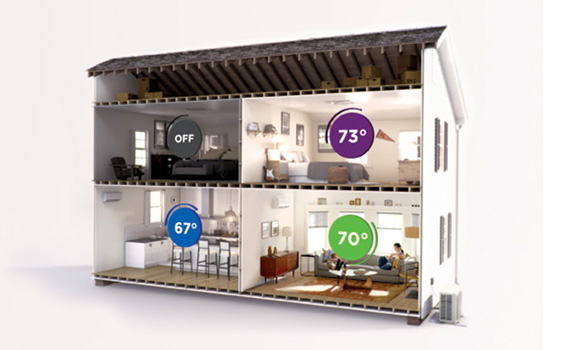
House Zones

A great benefit of ductless units is the option to have zones. Each zone has individual air handlers which give you control and flexibility over your home’s environment. It’s easy to switch on your mini-split in just the rooms you are currently occupying. You can manage and customize the temperature in each zone according to your preferences.

Single-Zone Ductless Set-Ups

Single zones are made up of one indoor unit and one outdoor unit. This system is typically used as an additional system for homes with under-serving HVAC units. It is also an ideal option for rooms that were previously unconditioned. A downside of choosing a single-zone system is that you are not able to convert it to a multi-zone system in the future.


Multi-Zone Ductless Set-Ups

A multi-zone system consists of multiple indoor air handlers and an outdoor unit. One outdoor compressor is able to accommodate up to eight indoor units. This system of zoning gives you comfort, efficiency, and control that no other HVAC equipment in the market can match.

Each indoor unit works on its own, so you and your family can have customized home comfort in each zone. It’s easy to switch off the units in an unoccupied area. You can enjoy a cooler environment in some rooms and a warmer environment in others.

Explore Mitsubishi Ductless Mini-Split Systems Call To Schedule A Free Consultation


Types Of Ductless Indoor Air Handlers

image of a Mitsubishi Concealed Duct Heat Pump

There are many types of indoor units to accommodate all your home comfort needs. Keep in mind that your choice should go with your aesthetic preferences and also the layout of your home. Some of the units are listed below:

  • Wall-Mounted – Wall-mounted units are affordable and a common option. The air handler will be mounted at least six feet high up the wall. It is efficient and compact. It offers many features and comes in lots of designs.
  • Floor-Mounted – A floor-mounted mini-split is perfect if you do not have enough wall space for a wall-mounted system. It is mounted on the bottom of a wall close to the floor. It is a good option if the room you are installing it in has a slanted wall or ceiling like in an attic.
  • Ceiling Cassette – A ceiling cassette is installed in the middle of a ceiling. Most of the mechanics are hidden in the ceiling. The grille is the only thing visible from the room. Conditioned air is released from all four sides of the grille. You can control the direction of the airflow and close the vents if needed.
  • Ceiling Suspended – Ceiling suspended systems hang from the ceiling. They blend neatly into your living space and can cool a larger area like an office.
Call To Learn More About Ductless Heat Pumps

Get A Professional Ductless Installation

Mitsubishi logo

There is lots that must be considered when installing ductless HVAC equipment, so it is best to leave it to the professionals. A qualified, local HVAC technician can install your system to make sure it works its best and to its optimum efficiency.

Expert technicians will help you along each step of installing your new system. Some benefits of professional HVAC installation include:

Finding The Best System To Meet Your Needs

Making sure your HVAC system matches your needs is important to heating and cooling your home effectively. Without working with a professional technician, you could purchase a system that is not right for your needs. This will lead to inconveniences, like high utility costs, low air quality, and poor performance. An HVAC technician will make sure you choose a ductless system that meets your home comfort needs.

Easy And Safe Ductless Installation

image of an hvac contractor installing a ductless mini-split system

Installing a ductless system is a little more complicated than it may seem. A professional has lots of experience and the proper tools to install the HVAC system properly.

Safety is a very important reason to hire a professional technician. A ductless system is a complicated piece of equipment, and technicians go through years of training to learn how they work. Installing a ductless unit on your own is dangerous since you will be handling electrical wires.

Manufacturers include all the safety mechanisms in their cooling and heating products. But, it’s always possible something could still go wrong. Without the proper tools, skills, and knowledge, you could end up with more damages or running up your costs more. Expert work assures you of a safe, secure, and cost-effective installation that will benefit your home for many years.

Longer Lifespan And Better Efficiency

The quality of your installation will directly impact the efficiency and longevity of your system. Any system that is not installed properly will not function as efficiently as it should, resulting in higher power costs and poor performance.

Proper ductless heat pump installation will give you the best return on your investment. A professional will make sure that your system functions at its optimum efficiency and you achieve the home comfort and savings you need.

Explore How Ductless Systems Work

Peace Of Mind

While an unlicensed HVAC contractor may save you a couple of bucks, there is no guarantee on the work they do or the products they use. If any issues would occur, you will be responsible for the full cost of repairs. A licensed installer gives warranties and guarantees with the installation. These cover any problems that may happen after an installation, like replacing or repairing parts of the unit within the warranty period.

Also, licensed technicians provide insurance for damage that might occur during installation. Professionals know about compulsory state and city codes and will do the installation in line with the proper regulations. With professional installation, you can rest easy knowing that the job is in good hands.


Conclusion

A qualified and licensed technician will ensure your ductless equipment installation is done correctly. The process of choosing the best HVAC system and installing it will be done properly with a professional.

Explore Our Case Studies

Check Out One Of Our Ductless Installation Projects

Case Study: Clark Mitsubishi Ductless Installation In Sewaren NJ

Call Skylands Energy Service To Learn More About Ductless HVAC Systems

image of skylands energy service logoA ductless system will provide you with low energy costs, increased home comfort, healthy indoor air quality, and safety. If you are ready to switch to a ductless system or have more questions, call Skylands Energy Service right away. Our NATE-certified technicians will discuss your needs and requirements to help you find the best ductless HVAC system setup for your home. We offer a range of heating and cooling services, including installations, repairs, replacements maintenance, and more. We also provide free in-home estimates. Call Skylands Energy Service today.

Call Now: (908) 707-1776 Read Our Reviews

Contact us now at (908) 707-1776 to find out more!

The post Get Your Ductless Equipment Installed By A Pro appeared first on Skylands Energy.


from Skylands Energy https://www.skylandsenergy.com/ductless-heating-cooling/professional-ductless-installation
via IFTTT

Monday, July 27, 2020

Ductless Mini-Split Controls

ductless mini-split remote controller

Mini-splits are becoming a popular choice for a heating and cooling system among homeowners. They require a controller to unlock your unit’s full potential and work with your home’s specific needs.

More control of your mini-split means more comfort for you and your family. Therefore, with the right control system, you can assure even problem areas like sunrooms, attics, and new additions will be as warm or cool as you want them to be.

The perfect ductless mini-split controls not only means your system will run at optimum efficiency but also that you can easily meet the needs of your family’s preferences.

Learn More About Mitsubishi Ductless Systems Call To Schedule A Free, In-Home Estimate

What Is A Ductless Heat Pump Controller?

A controller is a ductless accessory meant for communicating with your cooling and heating system. Most controllers are a simple, handheld remote control. But, there are also newer, sophisticated ones that allow you to control your system from your smartphone.

Your indoor air handler has sensors on it that control the dehumidification, heating, and cooling of your system. You use your controller to signal these sensors to reach your desired settings. Consequently, ductless technology will work to maintain that comfort level.

Mini-splits are an energy-efficient way to solve your heating and cooling issues. Furthermore, with the right controller, you’ll reach your mini-splits full potential and easily be able to fully customize your comfort.

This article discusses the different types of ductless heat pump controls and their capabilities. It’s important to learn about each one before you decide which to purchase.

Ductless Remote Control Functions

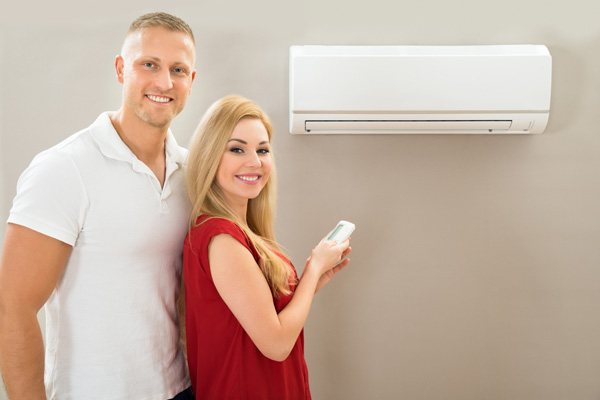
image of a couple with a ductless heat pump

Each controller has different features depending on the brand, make, and model. But, there are a few standard features that are on all controllers. They are listed below:

On/Off Display

This feature indicated if the unit is currently operating.

Mode Setting

The mode setting lets you choose between four modes. They are typically AUTO, DRY, COOL, and HEAT. AUTO mode allows the system to automatically change between COOL and HEAT modes. Your system will switch to HEAT when the temperature is low and COOL when the temperature is high.

DRY mode cycles the compressor on and off for a couple of minutes, depending on the temperature of the room. COOL mode is used to cool the room, usually in the hot season. Lastly, HEAT mode is used to warm up the room, typically in the cold season.

Economical Mode

This mode activates the sleep or economy function. When in use, your mini-split raises the set temperature in increments. For example, the temperature increases by one degree after an hour, two degrees after two hours, and so on. This mode is usually used when at night when the occupants of the room are sleeping. The economy mode also helps save energy.

Call Today: (908) 707-1776

Fan Speed

The fan speed can be changed to Low, Medium, High, or Auto. The Auto speed automatically changes based on the temperature of the room.

Timer

The timer allows you to set a specific number of hours until your system turns on or off.

Air Louver

The air louver allows you to direct the airflow where you want it. Some units have a left and right control, others have an up or down control.


Basic Controls

Indoor units come with a handheld controller. However, many homeowners are surprised when their indoor units do not come with a smart thermostat.

Similar to a TV remote, the handheld controller lets you communicate with the indoor unit. It allows you to turn the indoor unit on or off. You can set a specific temperature, and change whether your system is in heating mode or cooling mode. Lastly, it allows you to change the airspeed and the vane direction. Some controllers also have sensors and timers that make for convenience and comfort.

This type of basic controller may work for you if you just have a single-zone unit for an infrequently used room. On the other hand, if you have a multi-zone ductless setup, you will likely want a controller that will allow you to easily manage them from a single source.

Explore Mitsubishi Ductless Mini-Split Systems Call To Schedule A Free Consultation

Programmable Controls

remote controller for ductless mini-split system

If you are considering a multi-zone mini-split system, then you will want a device to control all the indoor units with one controller. You’ll soon realize that it’s quite a hassle to go to each zone and control each individual unit.

Programmable thermostats have the standard functionality of a controller. But, they also have an added feature called automated daily settings. This feature lets you pre-program your choice in temperature ranges for any day. Its technology allows it to work through walls. This lets all your connected units receive the settings and work based on what you set, like the fan speed, temperature, airflow direction, and operation mode. You can also decide when the units will turn on or off and how long they will operate.

The programmable controller should be the same brand as your mini-split system. Otherwise, you’ll have an incompatible controller that won’t be able to communicate with your indoor units properly.

Call To Learn More About Ductless Heat Pumps

Smart Controls

Smart thermostats have lots of capabilities including scheduling set parameters. They also have features that show current weather notifications and predict how to adjust the settings. The smart controls remember your comfort preferences and learn what settings you like based on the time of the day.

Some smart thermostats come with multi-zone sensors. These sensors help with home security and safety. They can detect the humidity and occupancy of the home. It’s able to ensure that each occupied room receives air at the preferred temperature. It can also control your humidifier, dehumidifier, and ventilator.

Smart thermostats are able to connect with security devices like carbon monoxide detectors, smoke detectors, and cameras. You can receive notifications to your phone that alert you if your home’s temperature is at a dangerous level. This is very helpful in situations where a pipe might burst due to the cold or your pet might get sick due to the heat.

One downside to smart controllers is that they can be quite expensive and more complicated to install. Each indoor air handler requires a smart thermostat and a thermostat adapter to be installed by a professional. This is called dry contact and allows the systems to communicate with each other. Some smart thermostats might not even work with certain mini-split heat pumps.  However, if it does, you might experience problems with functionality like controlling humidity or adjusting the fan speed.


Wi-fi Adapters

A smart thermostat is a great option. But, if you want home comfort without the extra cost and confusion, a wi-fi adapter might be a better choice. A wi-fi adapter has the same settings as a programmable controller with the convenience of a smart thermostat. It is easy to use and the price won’t go over your budget.

Before purchasing a wi-fi adapter, make sure it is compatible with your specific mini-split. The device has to be installed in each indoor unit. It is controlled with an app that can be downloaded on your smartphone, tablet, or computer. After it’s set up, you’ll have complete control of your unit at your fingertips. With this, you’ll be able to control the temperature settings, airflow, dehumidification, fan speed, and more.

Explore How Ductless Systems Work

Integrated Controls

If you already have a heating and cooling system but are thinking about supplementing it with a mini-split, consider purchasing a RedLink controller. It allows you to control all your mini-split units with integrated control.

With RedLink Technology, you can connect up to 16 devices with your heating and cooling system. Also, you can manually operate devices from your smart device or a central controller. It won’t interfere with any other wireless devices in your home. This is a great way to supplement your current HVAC system and save on energy costs.


Conclusion

Knowing the differences between each type of controller is important so you can create the best home comfort strategy to suit your home’s needs. If you want more information on how controllers allow you to personalize your heating and cooling system, contact a qualified HVAC technician. An HVAC expert has lots of knowledge and experience to help you choose and install the best controller for your heating and cooling needs.

Explore Our Case Studies

Check Out One Of Our Ductless Installation Projects

Case Study: Clark Mitsubishi Ductless Installation In Sewaren NJ

Call Skylands Energy Service To Learn More About Ductless HVAC Systems

image of skylands energy service logoA ductless system will provide you with low energy costs, increased home comfort, healthy indoor air quality, and safety. If you are ready to switch to a ductless system or have more questions, call Skylands Energy Service right away. Our NATE-certified technicians will discuss your needs and requirements to help you find the best ductless HVAC system setup for your home. We offer a range of heating and cooling services, including installations, repairs, replacements maintenance, and more. We also provide free in-home estimates. Call Skylands Energy Service today.

Call Now: (908) 707-1776 Read Our Reviews

Contact us now at (908) 707-1776 to find out more!

The post Ductless Mini-Split Controls appeared first on Skylands Energy.


from Skylands Energy https://www.skylandsenergy.com/ductless-heating-cooling/ductless-mini-split-controls
via IFTTT

Monday, July 13, 2020

Ductless Mini-Split Wiring

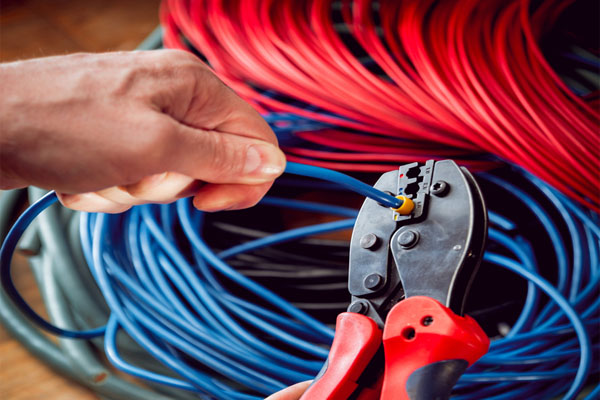
HVAC contractor connecting wiring on ductless mini-split system


Mini-splits are a popular and energy-efficient choice when it comes to cooling and heating your home or business. The indoor unit and the outdoor unit make up the mini-split. The outdoor unit includes the condenser and the compressor. The indoor unit provides warm or cold air in different zones of the house. However, there are also cables that connect the units which are vital for the system’s performance.

A mini-split is typically easier and quicker to install than central heating and cooling systems. But, they are a bit more complicated than window AC units, which you just need to plugin. Mini-splits require their own electrical line that is connected to the electrical panel in the house.

Contact a ductless HVAC expert if you are considering a mini-split system for your home. A skilled and experienced professional will be able to help you find a system that works well with your heating and cooling requirements. Likewise, they can install it, using the wiring needed, and guarantee that your mini-split will work correctly.

Learn More About Mitsubishi Ductless Systems Call To Schedule A Free, In-Home Estimate

Ductless Heat Pump Wiring: Things You Should Know

In this article, you’ll learn everything you need to know regarding ductless mini-split wiring to ensure your system works as expected.

Electrical Service

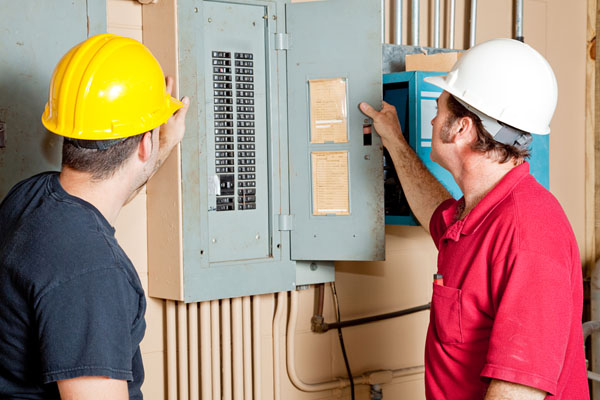
hvac technicians updating circuit breaker for ductless install

The outdoor unit uses power from the electrical service panel with a disconnect box and a surge protector. These are connected with electrical wires that are protected by a weather-proof wire called a whip.

Depending on the size and model, mini-splits have different power needs. Most of the systems require 220 volts or higher, although some of the 9k to 12k systems may only need a 110-volt service. It’s essential that the breaker panel is sized correctly and can handle extra voltage because these systems are permanently connected in the electrical service panel.

To be sure the system is wired correctly, contact a professional HVAC technician to help you. This is the only way you can make sure your system is up to code and that the warranty remains intact.

Call Today: (908) 707-1776

Wire Gauges

Mini-split systems require a specific wire gauge. The connecting wire needs to be quality and the right size. If not, it can be hazardous. They should also be UL-listed for sun exposure. UL-listed wires have passed the safety tests of the Underwriters Laboratories. An expert technician can make sure your electrical wiring meets these requirements.

The standard sizes are 2, 6, 8, 10, 14, and 16-gauge wire. The thickness of the wire determines how much current can pass safely through it. Lower wire gauges are thicker and can handle more current. A higher wire gauge is thinner and can handle less current. For example, a #14 wire can handle 15 amps and a #6 cable can run 60 amps.

Connecting Cable

electrical wires for ductless hvac system

A connecting cable, also known as a four-conductor cable, is a wire that goes between the outdoor and indoor units. It carries information and supplies power between these two parts of the mini-split. Typically, systems use a 14 AWG 4-conductor stranded cable. It is also commonly run through a conduit to abide by local codes.

Disconnect Box: Non-Fused Versus Fused

A disconnect box, also known as a fuse or switch box, has the controls to supply the energy to your mini-split. An HVAC professional can turn off the power to your mini-split system when they are repairing or performing maintenance on it. It is mandated to install one near the condenser.

Most homeowners commonly prefer a non-fused disconnect box rather than a fused box. The breaker in the service panel has the protection a fuse would provide. Homeowners can reset circuit breakers themselves, but a fuse has to be replaced. Fuses can be hard to find and replace by yourself. Fuses can also be damaged by the elements and make the system unsafe.

Explore Mitsubishi Ductless Mini-Split Systems Call To Schedule A Free Consultation

Electrical Whip

The electrical whip can be found outdoors. It is made up of high-voltage wires that are hidden in a case to protect it from the rain, sun, and other elements. They are primarily used to connect the 120v/220v power from the disconnect box to the condenser.


How An HVAC Contractor Wires A Ductless Mini-Split

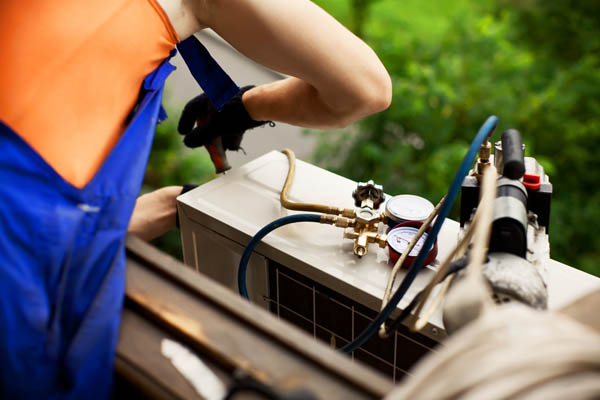
image of a ductless hvac installation

Next, we need to find out how mini-split systems are wired. Installing a mini-split can be quite challenging. It is recommended that you hire a licensed HVAC contractor to install the system. If you attempt it yourself, you might harm the unit or even yourself.

The steps below are how a professional will go about installing a mini-split.

Step 1: Install A Disconnect Box

To comply with the code, it is required to install a disconnect box. A professional will run a 230/208-volt or 155-volt line from the house’s primary break box to where the disconnect box will be installed typically next to your unit. An expert technician will be able to make sure the required voltage is met.

The two hot leads are wired together to the fused connections in the box. Then, the faceplate and on/off switch will be attached.

Step 2: Attach The Electrical Wire Whip

A technician can run an electrical whip from the disconnect box to the unit. An electrical whip is an outdoor grade wire that meets the code while keeping the process easy.

Call To Learn More About Ductless Heat Pumps

Step 3: Connect The Ductless Wires

Next, the electrical wires will be connected to your mini-split according to your unit’s specifications. The exact specifications of the connection will depend on the model of the mini-split. A professional technician has the knowledge and experience to connect the electrical wires properly.

Step 4: Connect The Wires From The Indoor Unit To The Outdoor Unit

The number of connections you have determines if you have a single-zone or a multi-zone unit. A multi-zone unit is numbered by a professional for cross-referencing to make it easier to connect the wire colors with their number. They will also ensure each indoor unit in a multi-zone system is connected to the correct input of the required line set. This is important because your mini-split will not function correctly if this is not properly executed.

Step 5: Connect The Wires In The Indoor Air Handling Unit

Similar to the outdoor unit, the indoor unit’s connections need to be made in the right order. The ground wire and the three main wires need to be connected to the proper terminals. Some units require round crimp-style terminals to make the connection more secure. A professional will know if this is necessary for your installation.

The electrical part of the installation is completed once all the above steps are finished. Contact a trusted HVAC professional if you have any questions or concerns about the electrical wiring of your mini-split system.

Explore How Ductless Systems Work


Protecting Your Ductless HVAC System Investment

All HVAC systems are considerably expensive. Although manufacturers offer warranties to cover any unfortunate circumstances, they may not protect damages done by electrical surges.

Surges can occur from a lightning strike or a power surge. A surge or an irregularity in the power supply damage the electrical components of your mini-split system or possibly a complete system failure. This could happen even if your mini-split system is just a couple of years old.

Install a surge protector to avoid these damages. They are easy and quick to install, and a licensed HVAC technician one in just over 10 minutes. Installing a surge protector is simple and it will protect your system.


Conclusion

Contact a licensed and knowledgeable professional for an easy mini-split installation. They have the experience and training to make sure it is wired properly. Rest easy knowing your mini-split will work effectively and at its optimal efficiency.

Check Out One Of Our Ductless Installation Projects

Case Study: Clark Mitsubishi Ductless Installation In Sewaren NJ

Call Skylands Energy Service To Learn More About Ductless HVAC Systems

image of skylands energy service logoA ductless system will provide you with low energy costs, increased home comfort, healthy indoor air quality, and safety. If you are ready to switch to a ductless system or have more questions, call Skylands Energy Service right away. Our NATE-certified technicians will discuss your needs and requirements to help you find the best ductless HVAC system setup for your home. We offer a range of heating and cooling services, including installations, repairs, replacements maintenance, and more. We also provide free in-home estimates. Call Skylands Energy Service today.
Call Now: (908) 707-1776 Read Our Reviews

Contact us now at (908) 707-1776 to find out more!

The post Ductless Mini-Split Wiring appeared first on Skylands Energy.


from Skylands Energy https://www.skylandsenergy.com/ductless-heating-cooling/ductless-mini-split-wiring
via IFTTT

Monday, June 22, 2020

Ductless Condensate Pumps: What You Need To Know

image of an indoor air handler and condensate pump

To put it in simple terms, condensation is when vapor is converted to liquid. The air condenses into water droplets on a cold surface when hot air comes in contact with it. An example of this is when you go out with a cold can of soda on a hot day. The droplets you see on the can are formed as the humid air is cooled beyond its dew point.

A mini-split system is one of the top cooling solutions on the market. It can capture humidity from inside your home and properly let it go outside. As a result, you have drier indoor air for an extra cooling effect. Your skin’s moisture also evaporates, which, in turn, cools your body down, and the cooling sensation is felt. In this article, we discuss what you need to know about the ductless condensate pump.

Learn More About Mitsubishi Ductless Systems Call To Schedule A Free, In-Home Estimate

Is Condensate Harmful?

image of condensation on window

If condensation is not correctly eliminated from the air inside your home, it can create multiple problems. These water droplets will pool as time passes, causing damage to your ceiling, floors, walls, and other possessions. It can also cause mold to grow around your home. This will affect not only your home and your health as well. Molds can trigger skin allergies or respiratory illnesses like asthma.

Without proper drainage, condensate will not only cause damage to your property but also affect your family’s overall health. It greatly impacts your indoor air quality. Repairing these damages can cost you a few thousand dollars. Therefore, the condensation must properly drain away from your home.

Call Today: (908) 707-1776

How Do Mini-Splits Remove Condensate?

image of a ductless hvac installation

A mini-split system has different ways to get rid of condensate. Depending on the make and model, some units employ a gravity-drain tube while some need pumps. Here are a few of the common ways mini-splits remove condensate:

Pipe Runs

Floor and wall-mounted units usually do not feature condensate pumps. Instead, they depend on gravity-draining to eliminate the water. The drain line must, therefore, be sloped downward.

You should ensure that the drain line runs through a hole and that it is at least one-fourth to one-half inches higher inside than it is outside. This way, the line is angled down so that it can remove the accumulated moisture correctly.

Drain Tubes

Almost all types of floor-mounted and wall-mounted units use drain tubes to get rid of condensation. It is the most common way and it makes use of a 5/8″ inner diameter vinyl tubing.

One of the things to ensure when you are using this flexible vinyl drain tube is that it does not get kinked. Otherwise, water will not be properly drained. The condensate might even overflow and damage the indoor air handler. Use a braided tubing instead of the basic clear tube as it has lesser chances of becoming kinked.

Explore Mitsubishi Ductless Mini-Split Systems Call To Schedule A Free Consultation

Pumps

There are some cases where gravity-reliant drainage is not feasible. This is when a condensate pump comes in. It is made up of a 1” or 1 to 1/4″ PVC instead of the usual tubing. This allows the pump to maintain enough slope over a long horizontal run.

It is possible to connect several indoor air handlers to a single drain line. Ensure that you check the manufacturer’s guidelines during such applications. Moreover, refer to a professional technician’s recommendations to make sure that the line can manage the amount of water that all connected indoor units will create.

Concealed ducted, ceiling suspended, and ceiling cassette units usually feature built-in lift pumps. Whereas, floor and wall-mounted models are meant to be mounted high up a wall that they can drain the condensate without the help of a pump. However, if the unit is installed on the ground level, then you need a condensate pump to remove the water to a more suitable location.


What Are The Basic Components Of A Pump?

Condensate pumps are generally comprised of two essential parts, namely, the reservoir and the float switch. The reservoir is linked to the indoor unit’s drain pan. It is where the collected water goes during your mini-split unit’s cooling operation.

It is only when the condensate reaches a specific level that the built-in float switch turns on the condensate pump. The float switch functions as a warning bell as well. When the condensate pump does not operate properly, the float switch turns off the indoor air handler to keep the condensate from overflowing.


Types Of Condensate Pumps

All condensate pumps are made for the same function, which is to eliminate condensate. However, there are several types you can choose from. It is recommended to know the options you have and the benefits each has. This information, along with your preferences, will help you determine the type of condensate pump that will best serve your needs.

The various types of condensate pumps include the following:

Standard

This style of condensate pump is discreet and compact. The reservoir is installed inside the indoor air handler. This way, you are sure that it is hidden out of sight behind a wall or a ceiling. It also operates quietly. It works well with most applications as standard condensate pumps are typically the plug and play type.

Call To Learn More About Ductless Heat Pumps

Low Profile

If you are searching for a condensate pump that is less intrusive, then go for a low profile one. It is meant to be fitted inside the condensate pump so that it is entirely away from view. This type of unit is also one of the slimmest of its kind, as it is designed to be the most inconspicuous pump in the market.

High Suction

A high suction condensate pump is installed much like a standard one. The difference is that a high suction pump comes with extra suction power. Therefore, it can lift condensate higher and further. It is ideal for when the indoor unit is installed below ground level. When this is the case, the water needs to be pumped to a higher level before draining it outside. It is also perfect for when you are looking to minimize noise as a high suction condensate pump can be installed further away from your living space.

Surface Mounted

A surface mounted condensate pump is installed directly below your mini-split system. The reservoir and pump are placed in a compact box outside of the unit. Due to its location, a surface mounted pump is easy to access when you need to clean or repair any part of it. A surface mounted condensate pump is, therefore, an excellent choice for applications where easy access to the reservoir is crucial.

Four Common Ductless Condensate Pump Installation Mistakes

woman enjoying ductless air conditioner

Installing mini-split condensate pumps without the proper knowledge, tools, and experience can result in errors that can be detrimental to the equipment’s functionality. Common condensate pump installation mistakes include the following:

Pump Omission

Many mini-split systems are not equipped with a condensate pan because the water is drained with the help of gravity. However, there are situations where gravity draining is not an option. When this is the case, a condensate pump is needed. Failure to determine when a situation calls for a condensate pump can lead to issues as drain pan overflow.

Explore How Ductless Systems Work

Pump Selection

The most common installation mistake is choosing the wrong pump. Installing an incompatible pump to your mini-split system can lead to issues such as poor performance and a high level of noise. It can also affect the ease of installation or maintenance and the aesthetic you are going for.

An example of poor pump selection is choosing a sizeable wall-mounted pump. A large wall-mounted pump is not necessarily designed for mini-split units. Therefore, they are not aesthetically pleasing and have higher sound levels.

Wiring

Condensate pumps need a line-voltage power that is wired to the mini-split unit’s electrical terminal. Different mini-split units have different pump wiring requirements for powering their systems. Therefore, no one diagram can accommodate all mini-split make and models. This is one of the reasons why incorrectly wiring a condensate pump is a typical installation error.

Siphoning

Another common installation error is the incorrect routing of the discharge line that creates a siphon. A siphon can cause an airlock, which can either cause an overflow or damage the pump. It can also restrict correct draining, and the condensate will eventually overflow.

A few condensate pump manufacturers offer anti-siphoning devices at no added cost. An anti-siphoning device is a two-inches long molded plastic fitting that prevents the pump from auto-siphoning. It has an omnidirectional design, which means it can be installed either horizontally or vertically. This design ensures that incorrect installation does not occur.


Do I Need Professional Installation?

If you are unsure which condensate pump is the best one for you, or if you have any concerns regarding compatibility, then contact a professional mini-split installer. Conducting a DIY ductless installation when you do not have the proper tools, knowledge, or experience may save you a few dollars. However, you are putting your system at risk of damage from incorrect installation. The same goes for hiring an unlicensed technician.

Professional installation ensures that you get the best out of your mini-split system. This means that all the components of your mini-split, including the condensate pump, will work at optimum capacity for a long time. Not only that, but you also make sure that the unit’s factory warranty remains intact.

Check Out One Of Our Ductless Installation Projects

Case Study: Clark Mitsubishi Ductless Installation In Sewaren NJ

Call Skylands Energy Service To Learn More About Ductless HVAC Systems

image of skylands energy service logoA ductless system will provide you with low energy costs, increased home comfort, healthy indoor air quality, and safety. If you are ready to switch to a ductless system or have more questions, call Skylands Energy Service right away. Our NATE-certified technicians will discuss your needs and requirements to help you find the best ductless HVAC system setup for your home. We offer a range of heating and cooling services, including installations, repairs, replacements maintenance, and more. We also provide free in-home estimates. Call Skylands Energy Service today.
Call Now: (908) 707-1776 Read Our Reviews

Contact us now at (908) 707-1776 to find out more!


The post Ductless Condensate Pumps: What You Need To Know appeared first on Skylands Energy.


from Skylands Energy https://www.skylandsenergy.com/ductless-heating-cooling/ductless-condensate-pump
via IFTTT

How to Tell If Your Furnace Is Short-Cycling & What to Do

The chill in the air means that winter is on its way. The freezing temperatures are likely to bring discomfort to your home. Make sure that...