Monday, November 25, 2019

The Differences Between Ductless Heat Pumps And Ductless Air Conditioners

ductless HVAC system

Nowadays, many homeowners are switching to ductless mini-split systems to acquire a higher level of energy efficiency and comfort in their residential living spaces. This HVAC system differs from the other traditional types in quite many ways. The obvious reason here is the lack of ductwork. Instead of ductwork, mini-split systems have outdoor air handlers that connect to the indoor air handlers through refrigerant lines and cables.

Ductless systems occur in two types: air conditioners and heat pumps. This article will outline the differences between them, including advantages and the disadvantages associated with each type of system.

Learn More About Mitsubishi Ductless Systems Call To Schedule A Free, In-Home Estimate

The Benefits You Reap From Ductless HVAC Systems

Both ductless air conditioners and ductless heat pumps offer many benefits. Some of the benefits are:

Easy Installation

Ductless HVAC systems are quite easy to install. The installation of forced-air HVAC systems might take several days. A ductless system merely requires a hole of three inches in the wall for the conduit, linking both the indoor and outdoor units. The factory always fits the refrigerant into this system. Therefore, you will not go through this step while you install the system in your home. The entire process of installation may cost you a few hours, which ensures your day-to-day plans are undisrupted. Also, you will not live in a major construction zone, which is highly appealing for most homeowners.

Seasonal Efficiency of Energy Ratio/SEER Rating

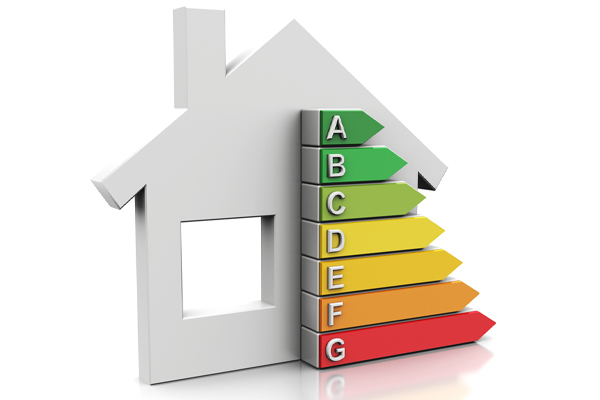
The SEER rating of ductless units is usually higher as compared to the SEER rating of central cooling systems. The SEER rating is higher because the ductless systems use advanced technology. Ductless systems use inverter-technology, which keeps them running consistently at low speeds.

Traditional, forced-air systems turn on and off repeatedly. This process uses a lot of energy since the HVAC system consumes a lot more power when starting. An inverter-driven ductless system will run at full speed until it attains the preferred temperature. Once it reaches the temperature, it only uses a small fraction of the full speed to run continuously and provide temperature consistently without the waste of energy. This further improves both the durability of your system and the comfort level in your home.
energy efficient ductless heat pump

Zoned HVAC System

The ductless system gives the homeowner the option to create zones. In this case, every zone has its indoor air-handler and thermostat. It means that you can customize the heating and cooling settings, depending on your preference. You can choose to set your room to be at a warmer temperature, while at the same time, your children in the living room have cooler air. Four indoor units can connect to one outdoor unit. Also, you can turn individual units off to rooms that are not in use. This option is an excellent way to reduce your home heating and cooling costs.

Call Today: (908) 707-1776

Safety

Mini-splits are one of the safest systems for heating your home. They are safe because the process of heating does not require combustible fuel. This eliminates possible risks of carbon-monoxide leaks, which are dangerous to you and your entire family.

Ductless heat pump options are safer than ventless or garage heaters. Ventless heaters have oxygen sensors that switch off the units if oxygen levels fall too low. When the sensors malfunction, the heaters continue to operate and possibly release off harmful gaseous compounds into your home. A ductless system eliminates this issue.


Ductless Air Conditioner Vs Ductless Heat Pump

The major difference between ductless air conditioners and ductless heat pumps is that heat pumps can provide your home with both cooling and heating solutions. An air conditioner will only provide your home with air conditioning. This means you would require another unit to offer heating solutions should the need arise.

How Does A Ductless Heat Pump Work?

Ductless heat pumps will cool your home just as A/C units do. The cycle of cooling starts with sending a high-pressure liquid refrigerant via an expansion valve. The low pressure initiates evaporation of the refrigerant into a gas. After that, the gas flows via evaporator coils in indoor units.

While in the indoor units, warm air from the indoor passes via fins of the evaporator coil. The heat captured by the refrigerant is released as the refrigerant evaporates. The hot coolant gets back to the compressor. The cooling effect of your home comes by after indoor heat is absorbed and released outdoors.

The heat pump can also reverse the flow of your refrigerant. The heat pump can absorb heat from outside then deliver it inside your house. During the process of heating, the refrigerant liquid, at a high-pressure, will flow into the evaporator coil from the expansion valve. The coolant will then evaporate into a hot gas before going back into the indoor units.

The heat in the refrigerant is squeezed out by the high pressure found in indoor units. The heat is carried into your room by the air found within the indoor coil. The refrigerant will turn back to a high-pressured liquid, and the cycle repeats itself.
Explore Mitsubishi Ductless Heat Pumps Call To Make An Appointment

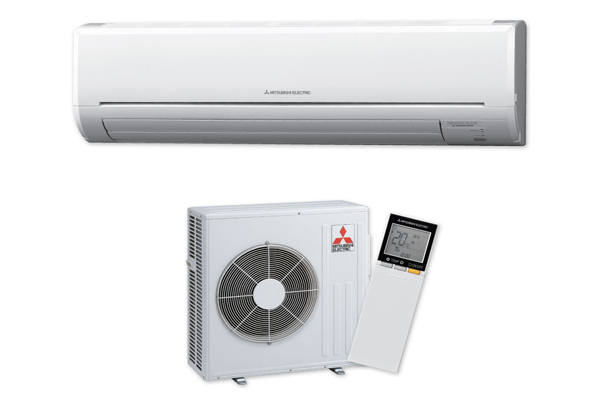
mitsubishi heating and cooling system


Why Should I Choose A Ductless Heat Pump?

When you have cooling and heating needs in your house, then the ductless heat pump is your perfect solution. It is quite an economical and efficient system to install. It is also a perfect alternative to the central air systems.

This ductless heat pump can serve as an excellent option when you require one device with cooling capabilities and can as well serve as a source of heat. When you install it, you will get both cooling and heating effects during winter and summer seasons, respectively. This means you do not have to operate separate systems even when the seasons change.

Heat pumps work well in most areas, but they fail to operate correctly when temperatures fall too low. When the temperatures are extremely low, the heat pump will not draw adequate outdoor heat to warm the indoor area of your house.

Some heat pumps will offer you adequate heat in low temperatures up to -15 degrees Fahrenheit. The low-pressure refrigerant present in your pump absorbs any traces of heat from outside to expand. Most models, however, fail to expand in frigid temperatures regardless of their sizes.

Before you buy a heating unit, you must always look at all the heating capabilities. Heat pumps form quite versatile HVAC systems. However, they have limitations like any other type of machine. You should remember that heat pumps will mostly malfunction at temperatures lower than five degrees Fahrenheit. Therefore, as a backup source of heat, you ought to have a furnace or a boiler, depending on the climate where you live.

Call To Make An Appointment For A Free Estimate

ductless air conditioner

Common Situations When A Ductless Heat Pump Is Used

Ductless heat pumps remain popular in most households despite the limitations they face at extremely low temperatures. Some of their typical applications include:

  • Outbuildings Or Additions: These include garages and sheds. Ductless mini-splits are perfect when extending the cooling and heating capacity of an existing HVAC system you have, or when the installation of additional ductwork isn’t practical.
  • Older buildings Or Homes: These buildings have never been installed with central air conditioning units before. Also, it could be that there lacks existing ductwork, thus no room for the expansions.
  • A Large Home: larger homes typically have lesser occupants than the available rooms. This means some rooms remain unoccupied. With the mini-split, it is possible to save on energy costs by turning off the indoor units in the empty rooms.

Another situation is where a home has current cooling and heating systems costing them a lot more than they ought to be paying. The reason behind this could be low system efficiency or due to the high costs of fuel. A heat pump can also be perfect in your home for an area next to the room where the ductwork could be exposed to harsh and extreme temperatures. For instance, if you target to cool or heat a room above your garage, then your best bet would be the heat pump. Also, many homeowners who want to save on energy costs can use a ductless HVAC system to reduce home heating and cooling costs. You can install them in rooms that are frequently used and depend on your central HVAC system less. Furthermore, you can turn off these units when you leave the room.

When To Select A Ductless Air Conditioner

If you only plan to boost your existing air conditioning to fight off humidity and heat, then you may not necessarily require a heat pump. Instead, you can purchase a ductless air conditioning system.

The system specifically supplies cold conditioned air into zones in your house due to its design. This is an excellent alternative if you do not require any heat at all. For instance, for those who live in an area that has an arid or a tropical climate, then a ductless air conditioner will perfectly suit their needs. The option is also excellent to cool individual rooms such as a server room or the sunroom.

Learn More On How Ductless Works Schedule A Free Mitsubishi Consultation


Check Out One Of Our Ductless Installation Projects

Case Study: Clark Mitsubishi Ductless Installation In Sewaren NJ

Call Skylands Energy Service For All Of Your Home Comfort Needs

Heat pumps offer energy-efficient and safe heating and cooling. Ductless heat pumps have a year-round functionality, which makes it quite a better investment compared to the ductless air conditioning system. However, homes are different, and yours may require extra humidity control and cooling.

Qualified HVAC technicians can help you to determine the type that will best deliver your home comfort needs. With expert installation, the ductless systems can offer you energy efficiency and comfort. A professional technician possesses the experience and knowledge to ascertain that the units are installed at a practical spot and that you can achieve the optimum zoned comfort. Call your qualified local cooling and heating technician today for professional assistance.

You have the option now to choose the best HVAC system to ensure your low energy costs, home comfort, and safety. If you are ready to switch to a ductless system or have more questions, call Skylands Energy Service right away. Our NATE-certified technicians will discuss your needs and requirements to help you understand the best HVAC system for you. We offer a range of services, from installations to repairs to replacements. We also provide an in-home estimate free of charge. Call Skylands Energy Service today.

Call Now: (908) 707-1776

Contact us now at (908) 707-1776 to find out more!


The post The Differences Between Ductless Heat Pumps And Ductless Air Conditioners appeared first on Skylands Energy.


from Skylands Energy https://www.skylandsenergy.com/ductless-heating-cooling/ductless-heat-pumps-ductless-air-conditioners
via IFTTT


Monday, November 11, 2019

How To Keep Your Ductless Mini-Split Working Through The Winter

ductless system in winter season

A superior quality heating and cooling system, like a ductless mini-split, allows you to create different zones in your home. This means you and your family get to enjoy temperature control as per your specifications and needs.

The cooling process of a mini-split involves the refrigerant absorbing the heat inside and then releasing it outside. During heat mode, the process is simply reversed. Therefore, a ductless heat pump is capable of keeping you comfortable all year round.

However, it is not without limitations. Extremely low outdoor temperatures make it hard for the heat pump to absorb heat. This results in a decrease in both the system’s efficiency and performance. Fortunately, there are ways around this issue.

Learn More About Mitsubishi Ductless Systems Call To Schedule A Free, In-Home Estimate

How To Keep Your Ductless Mini-Split Working In The Winter Season

In this article, we discuss a few tips to ensure that your ductless mini-split works at optimum efficiency and effectivity even in frigid weather.

Choose A Heat Pump Split Type System

When purchasing a ductless system, make sure that you select a ductless heat pump. This will help protect your home from the cold winter days and ensure that you are warm and cozy. It offers many advantages, such as its compact size and the flexibility to create zones in your home. Moreover, since a heat pump can move heat rather than generate it, it consumes less energy, reducing your energy costs and without sacrificing the output quality.

energy-efficient ductless system


High HSPF Rating

If you live in an area that has freezing winters, then it is recommended that you purchase a heat pump. The heat pump must be able to supply your home with heat, even as the temperature drops below zero. Check the Heating Seasonal Performance Factor or HSPF rating of different makes and models. The one with the highest HSPF score will operate with the most excellent efficiency and reliability. Thus, it could provide your home with heat even in the coldest days of the year.

Some Mitsubishi mini-split systems have a 13.5 HSPF rating and a 33.1 Seasonal Energy Efficiency Ratios or SEER rating. This means this particular ductless heating system can warm up your home while still maintaining excellent energy-efficiency.

Call Today: (908) 707-1776

Outdoor Unit Installation

Your mini-split is made up of three parts: the indoor air handler, the outdoor compressor, and a conduit line that connects the two. The outdoor unit, as the name suggests, is located outside of your home. Therefore, the HVAC contractor must place the outdoor unit correctly so that it can work at full capacity even during the winter season.

You should mount the outdoor compressor at least two feet above the ground. This way, it is protected from accumulated snow, including snowdrifts that happen during windy weather. If the unit is too close to the snow, then it might end up sucking snow into it. When this happens, the compressor will end up spending energy trying to melt the snow instead of heating the house. Mounting it high above the ground ensures that your system is in proper operation all winter long.

It is also best to mount it under an overhang to serve as a roof over the outdoor unit. This will protect your compressor from snow, and make sure no ice or snow will build up on top of it. If there is no available overhand in your house, you can build a small cover over it. However, you need to ensure that there is adequate space between the cover and the unit so as not to restrict airflow.


Defrost Mode

Turn the condenser controls to its defrost setting. When your mini-split is heating your home, frost tends to accumulate on the condenser coil. Making sure that your system is in defrost mode will melt the ice. The water will then drip into the drain pan, where it will be removed from the unit properly.

Unfortunately, if it gets too cold, the water in the drain pan may freeze before it leaves the pan. The ice can get too thick, and this may lead to the fan blades freezing to the drain pan. Another issue that may happen is that moisture may get lodged between the coil fins. When this moisture turns into ice, the coil may crack. The damage can be costly to repair. Therefore, it is best to install a drain pan heater to prevent damages to your mini-split during frigid weather.

Ensure that the drain pan heater you purchase is compatible with the brand, make, and model of the mini-split condenser you have. An HVAC contractor will plug the drain pan heater to the condenser control board. When the temperature begins to drop, the control board automatically turns on the heater and make sure that the drain pan problems stated above do not happen.

Explore Mitsubishi Ductless Heat Pumps Call To Make An Appointment

Indoor Air Handler Mounting

The indoor air handler will be able to heat your home at maximum capacity if it is mounted at approximately one and a half feet above the floor. When it is placed at a low position, the heated air is distributed across the room at floor level first before it flows upward. The room is, thus, heated thoroughly without the occupants of the room feeling overheated. A floor-mounted air handler also makes cleaning the air filters easier compared to its ceiling or wall-mounted mini-split counterparts.

mitsubishi heating and cooling system

Compensate For The Limitations Of A Ductless Mini-Split In Winter

A ductless mini-split heat pump cannot heat a cold house immediately. Therefore, you should learn to compensate for this limitation. When your home is unoccupied, such as when you are at work or school during most of the day, set the indoor temperature to 60 degrees Fahrenheit or lower. When you and your family are out of the house for a more extended period, like an out-of-town vacation, you can turn your home’s interior temperature to 50 degrees Fahrenheit. You can also lower the temperature at around 60 degrees Fahrenheit at night while everyone is sleeping.

Rest assured that even at a lower temperature, a mini-split heat pump will continue to circulate the heated air. This will ensure that your living space maintains a consistent level of warmth and that cold spots do not form.

Pipe Sizing

The outdoor and indoor units of your mini-split need at least 15 feet of piping to prevent noise transference between the two units. It is possible to have longer pipes should it be required. However, longer stretches of tubing tend to make your unit less inefficient than necessary.

Learn More On How Ductless Works Schedule A Free Mitsubishi Consultation

Whooshing Noise

A ductless mini-split creates a characteristic whooshing sound when heating or cooling your home. Most homeowners get used to the noise of this unit quickly, especially after they found out the many benefits a mini-split has to offer. Therefore, you should make sure you could live with this little bit of noise.

To gauge and experience the level of noise a mini-split makes, you can visit a neighbor or friend who already has a mini-split installed in their home. You can also go to your local mini-split distributor’s showroom to listen to how much noise a mini-split makes. If you find that you cannot stand the bit of noise and that you prefer a dead silent house, then a mini-split is probably not for you. However, it is important to note that many homeowners do not even realize when the system is on. Consequently, they forget to turn it off when leaving the room or home.


Cooling Function In Cold Weather

Do you also depend on your mini-split system to supply your busy kitchen or server room with cold air? If so, then your system must be able to run all year round even when it is extremely cold outside.

You need to choose the correct system. Otherwise, you will experience problems like the cold outside air flowing too quickly over the coil. Unfortunately, this may lead to system failure. Wind baffles can help prevent this from happening. It solves the problem by blocking the wind from blowing through your outside unit. It allows the condenser fan to control the air that passes through the coil more effectively.

Keep in mind that not all mini-split makes and models can be fitted with wind baffles. Therefore, if you live in an area with a cold climate, and you rely on your mini-split to provide you with year-round cooling, make sure you choose a unit that can be equipped with wind baffles. You should also ensure that the wind baffle you purchase is compatible with the brand and model of your mini-split.


Check Out One Of Our Ductless Installation Projects

Case Study: Clark Mitsubishi Ductless Installation In Sewaren NJ

Conclusion

When you are searching to install an energy-efficient and reliable heating system, consider purchasing a ductless mini-split. It is always a good idea to have the ideal heating and cooling system that can cater to your needs all year-round while being cost-efficient at the same time.

The winter is fast approaching, and you do not want to be caught in the middle of the coldest day of the winter season without any heat source. Consult with your qualified local technician to ensure that you install a mini-split system that comes with superior heating capacity and energy efficiency.

A professional HVAC contractor has extensive knowledge, skills, and experience to assist you in finding the right mini-split make and model for your home. Rest assured that an expert can find you a mini-split that can provide your home with warmth even in the coldest days of the winter.

Call Skylands Energy Service For All Of Your HVAC Requirements

If you are ready to switch to a ductless system or have more questions, call Skylands Energy Service right away. Our NATE-certified technicians will discuss your needs and requirements to help you understand the best ductless HVAC system for you. We offer a range of heating and cooling services including installations, repairs, and maintenance. We also offer an in-home estimate free of charge. Call Skylands Energy Service today.

Call Now: (908) 707-1776

Contact us now at (908) 707-1776 to find out more!

The post How To Keep Your Ductless Mini-Split Working Through The Winter appeared first on Skylands Energy.


from Skylands Energy https://www.skylandsenergy.com/ductless-heating-cooling/ductless-mini-split-winter
via IFTTT

Monday, October 28, 2019

How A Ductless Mini-Split System Can Improve Your Indoor Air Quality

healthy indoor air qualityThe combination of warm temperatures and the health risks of pollution have made indoor air quality a major concern for people. For many people, living and working inside a building is the norm. Thanks to cooling and heating systems, living spaces are kept comfortable throughout the day. Unfortunately, many people ignore the importance of having good indoor air quality.
Very often, they simply rely on their HVAC systems to keep the air safe indoors. Surprisingly, many buildings have poor indoor air quality. In fact, the air indoor may even be more polluted than the air outdoors. So how do you fix this? Could a ductless mini-split system be the answer?

Understanding The Ductless Mini-Split & Indoor Air Quality

A ductless mini-split system is similar to a central air conditioner with one exception: the ductless system lacks ductwork that is common with forced-air cooling systems. Ductless systems are made up of two components – the indoor and the outdoor units.

The indoor unit is installed in the building. It works by sucking warm air from an enclosed space and passing it to the evaporator coils. The evaporator coils are an important part of the cooling system. Inside these hollow coils runs the coolant or refrigerant, which serves to absorb the heat from the air. The coolant also cools the air that is then released indoors to keep the room cool. The warm air from the room is released outdoors, so what is left indoors is cool comfortable air. This is why air coming from the outdoor component of the ductless HVAC system is warm.

A regular AC system has a system of ducts that are used to bring air from a room to another component of the HVAC system. The air is then cooled and pushed through the ducts to be released into the room. This air is now conditioned and cool.

A ductless system, however, does not require ductwork. The indoor unit in a ductless AC system is installed indoors and does not require a connection to ducts to produce cool air. The indoor unit in a ductless system is the component that cools and distributes the air indoors.

Learn More About Mitsubishi Ductless Systems Call To Schedule A Free, In-Home Estimate

Uses Of A Ductless Mini-Split System

mitsubishi heating and cooling systemDuctless mini-splits can be used for many applications, including residential, industrial, and commercial uses. These systems are installed in homes, businesses, factories, and manufacturing plants. Ductless systems offer flexibility that traditional AC systems cannot. For example, ductless air conditioners can provide efficient cooling for single rooms or multiple rooms, and they can also cool retrofitted rooms and additional spaces. Ductless systems are also quite effective in keeping enclosed patios and garages comfortable.

Another key advantage of ductless systems is that they can be used in structures where the installation of distribution ductwork or the extension of existing ductwork is not possible. Apartments and multiple-family homes, for example, are good candidates for ductless systems. Since ductless systems allow zoning, they are the preferred heating and cooling option for multiple rooms in the same building where occupants have different cooling and heating needs.

With ductless systems, it is possible to set the temperature in each room at a different level. For example, the temperature in one bedroom may be kept at a lower setting than another bedroom. It is also possible to keep the temperature lower in the kitchen area and keep the temperature higher in bedrooms and family rooms. You can shut the indoor unit off when a room is unoccupied, saving energy in the process. Ductless systems come with air handlers for each space, which makes temperature adjustment easy.

In terms of keeping air quality indoors safe and clean, ductless mini-splits are quite effective. With high-quality air filters in place, these systems can ensure less dust, pollen, and other particulates.

Why You Should Be Concerned About Indoor Air Quality

Indoor air quality is the condition of the air inside a structure or building that helps promote comfort, health, and safety to the occupants of that structure. Also called IAQ, indoor air quality is a necessary component of the design of a building. Most modern buildings are designed to be closed to protect indoor space from pollutants outdoors. Outdoor air is often too warm or too cold and may carry particulates like dust, dirt, smoke, smog, and microorganisms.

Ensuring indoor air quality is necessary to prevent any potential health issues. Common air pollutants like dust, pollen, smoke particles, dirt, and fungi, for example, could be inhaled and cause health issues. Some of these particulates can even cause damage to electronic gadgets. If dust builds up indoors, for example, it may not only cause respiratory problems, too much dust can also interfere with the proper functioning of appliances and electronic equipment.

Problems with indoor air quality do not always manifest themselves immediately. Some ill effects on health could show up after some time has already passed. Some health issues can even worsen over time, especially with continued exposure to the same polluted indoor air. Excellent indoor air quality promotes comfort and ensures the well-being of people living and working inside a building. With an HVAC system that is well-designed and correctly installed, healthy indoor air can be enjoyed.

Call Today: (908) 707-1776


Can HVAC Systems Improve Air Quality Indoors?

There is no question about the impact of the quality of indoor air on the quality of life. Therefore, it is only natural that measures are implemented to prevent or at least, minimize the adverse effects of indoor air pollution.

The HVAC system is easily the most convenient and effective tool to help control indoor air pollution. HVAC systems are equipped with air filters that effectively prevent particulates from contaminating indoor air.

The efficacy of the HVAC system in maintaining indoor air quality is even increased when it works in tandem with a dehumidifier. A dehumidifier lowers the amount of moisture indoors, which helps maintain a safer living space for people who have health issues such as allergies, asthma, and respiratory diseases. An HVAC system does not only keep the air at a comfortable temperature, but it can also help keep humidity low. This ensures that the environment is not conducive to fungi, mold, mildew, and a host of other harmful microorganisms.

How Indoor Air Quality Affects Your Health

The American College of Allergy, Asthma, and Immunology states that 50% of illnesses can be traced to low-quality indoor air. This, in turn, has an indirect effect on businesses. When workers are sick, they miss work and have to receive medical care. According to the U.S. Dept. of Energy, businesses could lose over $160 billion every year because of worker absences and medical care payments. When indoor air quality is maintained, people can live and work in an environment that is not only comfortable but also safe.

Why You Should Be Wary Of Ducted HVAC Systems

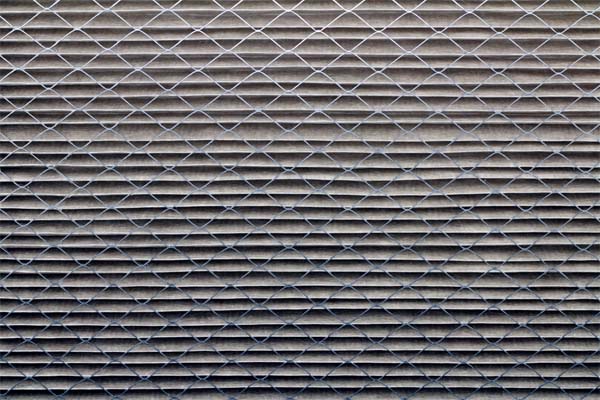
dirty hvac filterDucted systems have been around for many years and have worked decently in cooling and heating indoor environments. However, the design of the system itself leaves it open to certain vulnerabilities, such as:
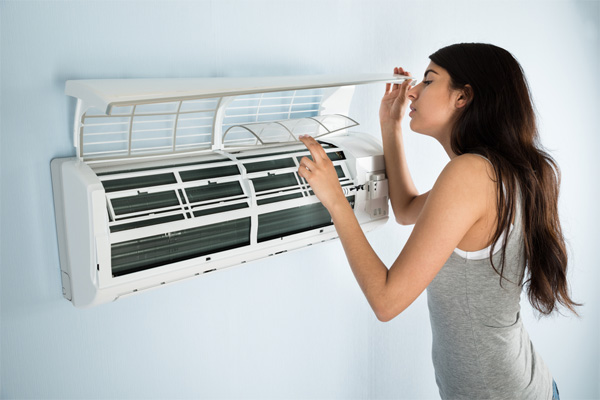
1. Allowing the circulation and distribution of pollutants through the ductwork

Conditioned air is distributed through the ducts. If pollutants and contaminants are present in the ducts due to poor maintenance, neglect, leaks, or improper installation, these pollutants can be carried through the conditioned air and distributed indoors.

2. Accumulation of dust, dirt, pollen, and other allergens in the duct system

Ducts tend to collect tiny particles. Even with regular cleaning and air filters in place, not all particles are captured. These particles accumulate and build up. Eventually, they are released with the conditioned air and mix with indoor air that is inhaled by people occupying the room.

3. Failure of home and business owners to maintain HVAC systems

Ducted systems are often neglected because ducts are kept out of sight. As such, they are easy to neglect and often do not receive regular maintenance until they become contaminated.

Explore Mitsubishi Ductless Heat Pumps Call To Make An Appointment

Are Ductless Systems The Answer To Indoor Air Issues?

woman cleaning ductless mini-split filterDuctless systems work remarkably well in conditioning air without the need for ductwork. Any problems that a ductwork system carries is thus eliminated. Some of the most important benefits of ductless systems are:
1. Eliminating contaminants carried from ducts

Ductless mini-split systems force air directly into a room, which means that air does not have to go through ducts. Not only is maintenance a breeze, but problems of contamination that ducted systems often have are also eliminated.

2. Improving indoor air quality

According to several studies, the air indoors may be worse than the air outdoors. This is particularly true in enclosed spaces, particularly those that use conditioned air from regular HVAC systems. Ductless mini-split systems do not need ducts to distribute air, which helps eliminate the problem of contaminated air indoors. Ductless systems are not likely to collect pollutants and circulate them indoors, ensuring that indoor air quality remains safe.

A common problem that occurs in ducted systems is that ducts could become separated, broken, or damaged. When there is a crack or gap in the ducts, conditioned air will leak, costing more in terms of energy consumption. A break in the ducts also leaves the system vulnerable to contamination by pollutants.

3. Increased efficiency

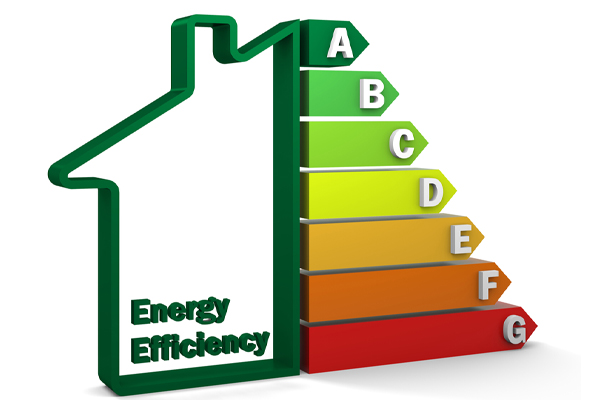
residential energy-efficiencyThe efficiency of HVAC appliances is gauged by the SEER or HSPF. If an appliance is given a higher rating, it means that it uses less energy to generate the same amount of cooling and heating as an appliance with a lower SEER/HSPF rating. Ductless mini-split systems are often rated with a higher SEER AND HSPF ratings due to their efficiency. Because they are designed to distribute conditioned air directly, they do not use up more energy than necessary.
Ductless systems also feature excellent air filters that collect contaminants far more efficiently. Additionally, they also have motors that can be set up to adjust automatically to the preferred temperature.

4. Flexibility

Air handlers in a ductless system may be installed on a wall or the ceiling. They may even be installed above the floor if so required. With this type of flexibility, the placement of the air handlers may be designed to promote optimum airflow, accessibility, and efficiency. This also makes it easier to check, clean, and maintain.

Learn More On How Ductless Works Schedule A Free Mitsubishi Consultation

Conclusion: Should You Choose A Mini-Split System?

The ductless mini-split is easily the best option for homes and offices that are concerned with the following:

  • Limited space, such as in homes and buildings that cannot accommodate ductwork
  • Enclosed spaces that require space and room heaters
  • Small spaces that still require heating and cooling
  • Multiple enclosed areas that have different heating and cooling needs
  • Energy-Efficient heating and cooling solution for central HVAC systems
  • Newly-added rooms

These concerns are fairly common to many structures and it is good to know that the ductless mini-split system is the best option that will meet the requirements of all of these issues. Ductless systems can be installed in small and enclosed spaces such as garages and patios, multiple rooms, and structures that do not have plenty of space for the installation of ductwork. If you want to know more about the ductless mini-split system and how it can address your heating and cooling needs, make sure to obtain the right information. Call your HVAC contractor today and find out how ductless systems can help you enjoy better indoor air quality.


Call Skylands Energy Service For All Your Home Comfort Needs

You have the option now to choose the best HVAC system to ensure healthy indoor air, low energy costs, home comfort, and safety.

If you are ready to switch to a ductless system or have more questions, call Skylands Energy Service right away. Our NATE-certified technicians will discuss your needs and requirements to help you understand the best HVAC system for you.

We offer a range of services from heating and cooling installations, repairs, and tune-ups. We also offer an in-home estimate free of charge. Call Skylands Energy Service today.

Call Now: (908) 707-1776

Contact us now at (908) 707-1776 to find out more!

The post How A Ductless Mini-Split System Can Improve Your Indoor Air Quality appeared first on Skylands Energy.


from Skylands Energy https://www.skylandsenergy.com/ductless-heating-cooling/ductless-mini-split-indoor-air-quality
via IFTTT

Monday, October 14, 2019

Removing Humidity With A Ductless Air Conditioner

woman dealing with high humidity at homeHaving a hot and sticky home can make life unbearable. Thankfully, with the help of a ductless air conditioning system, you can feel nice and comfortable, even when it is unbearably humid outdoors. In this article, we will discuss ductless HVAC systems. We will explain how they are different from other HVAC systems and why they are the perfect alternative cooling system for your home. We will describe how they create a comfortable indoor climate. Also included in our discussion will be the energy efficiency of these units.

Because humidity is the enemy of comfort, part of our discussion will focus on how mini-split ductless systems help control the humidity in your indoor environment. You will learn the dangers involved when humidity levels are allowed to go unchecked.

Learn More About Mitsubishi Ductless Systems Call To Schedule A Free, In-Home Estimate

What Is A Ductless Air Conditioner?

Ductless mini-split air conditioning systems are not like other air conditioners. Ductwork is not needed to deliver the treated air throughout your home. Also, unlike window air conditioning units, they are not installed in an open window where and make it easier for criminals to gain entrance into your house. Furthermore, ductless air conditioners do not impair the view like window AC units do. So, what are ductless air conditioning units?

Installation & Placement

ductless hvac systemDuctless systems require little to install. Just a small 3-inch hole in a wall is needed to connect the outdoor unit with the indoor unit. This hole allows the installer to thread the conduit containing the unit’s electrical line and tubing through the wall. The tubing delivers treated air from the outdoor compressor/condenser to the indoor air-handling unit. Without ductwork to be concerned with, installation is fast and easy.

Mini-split ductless air conditioners are flexible enough to be installed anywhere in the home. That could be in a living space where additional cooling is needed. They also work well in home additions since they allow homeowners to avoid the expense and trouble of adding ductwork. They can also supplement or take the place of other cooling systems if the need arises.

Single Zone & Multi-Zone

A single outdoor mini-split ductless system condenser can be used to condition the air in multiple rooms. Therefore, there is no need to invest in numerous outdoor units to maintain the desired indoor temperature of your home. However, a separate air-handler is required in each room or zone.

Situations where traditional air conditioning systems simply may not be the best choice are workshops that are not already equipped with cooling systems or ductwork. For freestanding garages and other structures not connected to the home, mini-splits are the perfect option when transforming these structures into living or working spaces.

Anyone who has ever added an extension to the home understands how difficult and expensive it can be to include ductwork to the overall project. Sometimes, with the addition of another room or two, it becomes necessary to add another air conditioning unit or replace the old one with a larger model. The simple solution is to add a mini-split system to these spaces. Also, ductless units are highly energy efficient. Therefore, many homeowners use them to supplement their central cooling systems.

Call Today: (908) 707-1776


Problems With High Humidity In The Home

woman cleaning indoor condensation from windowHave you ever noticed a musty odor in your home that wasn’t there before? Maybe the windows are foggy, or you find yourself sweating even though you are just sitting there trying to relax. Even worse, there may be mold growing in the shower. The likely cause of this is too much humidity.

It is certainly uncomfortable and unsightly having too much moisture in the air you breathe. However, the most important thing you need to know is that it can also be dangerous to your health. People with COPD, or other lung conditions, cannot breathe as well under humid conditions. Additionally, mold, mildew, and bacteria grow best when the humidity is high. The spores add to allergic reactions and other breathing problems.

Condensation building up on your windows will block your view, and cause peeling paint on the walls and ceiling. When it comes to your family’s health, that is a more serious situation. Maintaining a healthy indoor environment is one of the most important things you can do for your loved ones.

How Humidity Builds Up In The Home

Shower

hot shower with steamEach time you shower, water vaporizes into the air. The warmer the water, the more water vapor it creates. You can see this as it condenses into droplets on cool surfaces like mirrors. When you open the bathroom door, humidity escapes into the rest of the home. It can show up as condensation on the windows and other places, like the ceilings and walls where mold and bacteria can grow.

Cooking And Boiling Water

Anyone who has ever watched a pot or kettle of water boil knows that moisture from this practice gets into the air. No one is asking you never to make another cup of tea or mac and cheese for the family. However, you should know that, just like taking a shower, cooking creates humidity.

Gas Heat

Water vapor is one of the byproducts of burning gas as a fuel for heat. If your gas heater has a flue to vent the combustion pollutants out of the home, there should be little worry that it is adding these to the indoor air. However, some gas heaters are not vented. These will most certainly release water vapor and other pollutants into the indoor air and reduce indoor air quality.

Inadequate Ventilation

Your home’s ventilation system is intended to remove extra humidity and other pollutants from the indoor air. Nevertheless, when the ventilation system is not adequate enough to handle the job, a buildup of humidity and other pollutants is the result. The sad result is that it can make your family sick and aggravate allergies and other respiratory disorders.

Location

Living in humid climates, such as along coastlines, is another way your home can become oversaturated with humidity. There may be nothing you can do to prevent high humidity outdoors. However, you should do everything you can to create the best indoor air quality in your home.

Explore Mitsubishi Ductless Heat Pumps Call To Make An Appointment

How Air Conditioning Systems Can Improve Your Indoor Air Quality

home comfortIf you can reduce the amount of humidity in your home, you and your family will be healthier and more comfortable.

Most people believe that the main reason air conditioners keep us comfortable is because they cool the air around us. However, they do much more. They filter pollutants and moisture out of the air as well. By removing contaminants, such as mold and bacteria spores, indoor air quality improves.

Air Filtration

You can help with that by making sure that the air filters are kept clean. Cleaning the filters or completely replacing them with new ones removes particles that get trapped in the filter. Clean filters make it easier for air to move through the vents and that contributes to the unit’s energy efficiency as well.

You can increase the energy efficiency and comfort provided by your air conditioner just by selecting the best unit for your space. Size does matter, and when it comes to air conditioning units, you should never choose a unit that is too small or too large for your needs. One that is too small will never catch up and will run all the time and this leads to greater energy consumption. A unit that is too large will cycle off and on too frequently and that also adds up in energy costs.

Air conditioning systems with high SEER ratings maintain good indoor air quality better because they keep the air flowing through the filters longer. Those with variable speed modes maintain constant temperatures better which also helps eliminate too much humidity.

By selecting the most appropriate air conditioner for your home, and having it installed properly, it should serve your family well for many years.

Learn More On How Ductless Works Schedule A Free Mitsubishi Consultation


How A Ductless System Can Remove Humidity From Your Home

mitsubishi heating and cooling systemHumidity affects us in a number of ways. It makes it harder to breathe for those with lung problems. It can also make it harder to breathe for the average person on hot muggy days. Also, it makes us feel sticky and uncomfortable. We stick to our seats, and it’s harder to cool down even when the air conditioner is turned on full blast.

By removing humidity from our homes, we stay more comfortable even at higher temperatures. We save energy because it takes less to keep us cool and that saves money. Maybe the best news of all is that less moisture means it is harder for mold and bacteria to grow. Families with allergies and respiratory issues can expect to stay healthier while remaining more comfortable in their homes.

Dry Mode

When compared to traditional air conditioners, ductless air conditioners are very effective at removing humidity from the indoor environment, and they are efficient to operate. They remove moisture from the air while cooling the air with greater flexibility than other units. They even offer a “dry mode” that is separate from the cooling mode. This option is not offered by other cooling systems.

Mini-split ductless systems produce cool air by moving warm indoor air over a coil that is filled with refrigerant coolant. The coolant absorbs the heat from the air which drastically reduces its temperature. Cooler air does not hold as much moisture. We can see that during the winter when the air turns dry. As the air cools, the moisture condenses as it moves over the coil. It then drains out of the unit before the air is reintroduced into the home.

As mentioned before, “dry mode” is an option that is available on mini-split systems. When in dry mode, the fans operate at a slower speed, which allows the air to remain on the coil longer. The longer air is on the coil, the more moisture can be removed. Although this setting does continue to cool the indoor environment, it is not going to make you feel uncomfortably cold. With most cooling systems, you set the thermostat lower to remove more moisture, creating an uncomfortable environment.

Check Out One Of Our Ductless Installation Projects

Case Study: Clark Mitsubishi Ductless Installation In Sewaren NJ


Call Skylands Energy Service For All Your Home Comfort Needs

As we have seen in this article, keeping the family comfortable while improving indoor air quality is an important matter. We do that by conditioning the indoor environment with the best air conditioner we can afford, and one that removes excess humidity from our homes.

If you are looking for an alternative to your current air conditioning system, maybe you should take a better look at mini-split ductless units that offer greater flexibility and energy efficiency while delivering more options to suit your needs.

You have the option now to choose the best HVAC system to ensure low energy costs, home comfort, and safety. If you are ready to switch to a ductless system or have more questions, call Skylands Energy Service right away. Our NATE-certified technicians will discuss your needs and requirements to help you understand the best HVAC system for you. We offer a range of services from installations to repairs to replacements. We also offer an in-home estimate free of charge. Call Skylands Energy Service today.

Call Now: (908) 707-1776

Contact us now at (908) 707-1776 to find out more!

The post Removing Humidity With A Ductless Air Conditioner appeared first on Skylands Energy.


from Skylands Energy https://www.skylandsenergy.com/ductless-heating-cooling/ductless-air-conditioner-humidity
via IFTTT

Monday, October 7, 2019

Learn The Advantages Of Ductless HVAC Systems

advantages of ductless hvac systemsThanks to better technology, we are able to create environments that are customized to our needs and preferences. The ductless HVAC system is one such example of great technology that has improved our lives and made our home more comfortable and safer to live in.
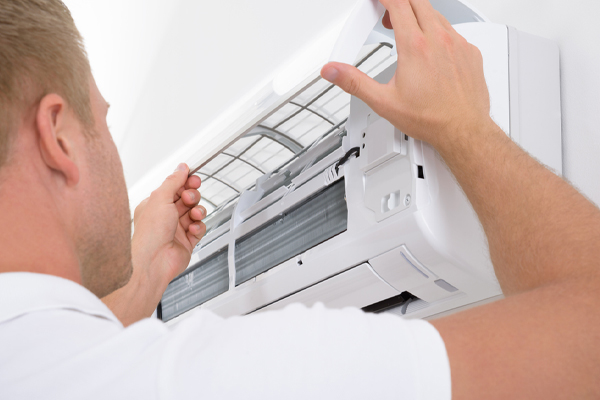
Ductless HVAC systems are built to be reliable, efficient, and customizable, allowing us to create an indoor environment that meets our needs regardless of the season. Experts agree that ductless systems remain the best choice for residential and commercial applications.

With ductless systems, buildings can enjoy heating and cooling without the need to install large air ducts. These systems are also more efficient and capable of heating and cooling multiple rooms or zones.

Learn More About Mitsubishi Ductless Systems Call To Schedule A Free, In-Home Estimate

What Are The Benefits Of Ductless HVAC Systems?

To understand how ductless HVAC systems can work to your advantage, let’s take a closer look at how this type of system works.

What Is A Ductless Mini-Split Heating And Cooling System?

Ductless mini-splits are the heating and cooling system of choice for residential and industrial properties because of its capability to heat and cool multiple rooms. Structures that lack a ductwork system are often equipped with ductless mini-splits because these systems do not require the hassle of having ductwork installed for the system to work.

Ductless mini-splits also work quite effectively in small apartments or buildings where an extension or additional construction to accommodate ductwork cannot be done. They also work well in problematic rooms and as supplemental systems for central heating and cooling. Ductless mini-splits are also the HVAC system of choice for areas such as garages, sheds, finished attics, and sunrooms.


Single-Zone And Multi-Zone Ductless Systems

mitsubishi heating and cooling systemSingle-zone ductless systems distribute cooled or heated air to a single area. It is that area alone that receives the heating and cooling. However, if a central HVAC system is already installed but cooling and heating needs to be extended to another area, a single-zone mini-split may be added. A multi-zone ductless system, however, can be used to cool or heat several rooms within the same building. For this setup, multiple air handlers inside the building connect to a single outdoor component.

So which one is the better choice? That will depend on your needs, the type of home or building you have, and your heating and cooling requirements. If you need heating and cooling for one enclosed space, for example, a single-zone system is an excellent choice. However, if you need to heat and cool several rooms in your home, the multi-zone ductless system is the better choice.

If you want to have a clear vision about your heating and cooling requirements, talk to Skylands Energy Service to find out more today. We can discuss your options based on what you need and want.

Call Today: (908) 707-1776


What You Can Expect With A Ductless Mini-Split System?

Energy Efficiency Of Ductless HVAC Systems

Ductless mini-splits are the preferred system for many because they are so energy-efficient. A key design component of this system is the lack of ductwork. It is estimated that 15-35 percent of energy is wasted as cooled or warmed air passes through the ducts. Unfortunately, this is a waste of energy. When an HVAC system is inefficient, you end up paying more because the energy lost in the ducts is still figured into your energy bills.

Mini-splits do not have to be installed with ductwork to distribute warm or cool air. Since air does not have to go through ducts, no energy is lost, and no money is wasted. If you choose a ductless model with a high Energy Star rating, you could even save more. HVAC models with high SEER ratings can help reduce the cost of cooling and heating in your home. Plus, you could even qualify for federal tax credits and utility incentives.

Easy To Install Ductless Mini-Splits

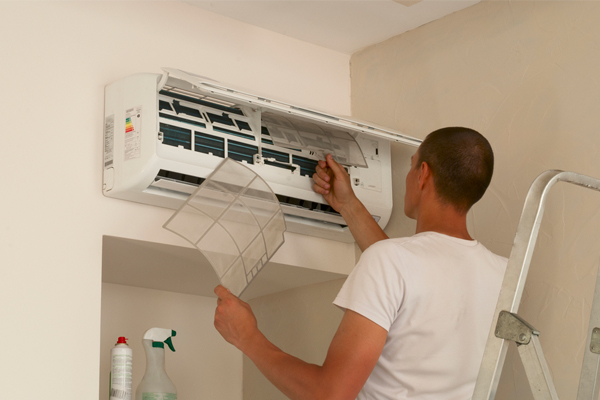
ductless installationAsk your local HVAC technician, and they will probably tell you that installing ductwork requires a lot of skill and effort. It is complex and complicated. Mini-splits do not require ducts, making them easier and quicker to set up. To install a ductless mini-split system, a technician will drill a small hole through the wall. This hole is a mere three inches in diameter and will be used to allow a conduit to pass. This is probably the most work that a technician will do before the outdoor and indoor units of the ductless system are installed. It does not require a lot of effort, tools, or back-breaking construction work. Furthermore, you won’t have to live in a construction zone, which is common when a home chooses to install a ductwork system.
Placement Flexibility

Most homeowners are concerned about where to put their HVAC units. If you had a window-type AC unit, for example, you would have to install the unit onto a window sill after removing a pane (or two) and modifying the structure of the window. Otherwise, you may have to drill a significant hole through the wall so the window unit would fit. You would then have to seal any cracks or gaps to prevent leakage. Furthermore, you need to find a good location that allows you to connect to an electrical outlet. These issues can actually severely limit your placement options. Now, imagine if a system of ductwork has to be installed. That would mean a lot more work.

However, if you choose a ductless mini-split system, you have better flexibility in terms of placement. You won’t have to deal with common issues such as design considerations, structural limitations, and limited preferences. Ductless systems can be installed on ceilings or walls. In fact, you could even opt for a floor unit. Ductless systems work with the existing design and style of a room or zone. They can also be installed out of the way where they do not disturb occupants, allowing you to enjoy a wider living space.

Explore Mitsubishi Ductless Heat Pumps Call To Make An Appointment

Targeted Heating Or Zoning

The distinctive feature of a ductless mini-split system is its zoning capability, wherein it can heat and cool specific rooms or zones at different temperatures. This is part of the reason why ductless systems are cost-efficient. Since individual units are installed in different rooms, these units can be turned on or off when and if necessary. Temperatures in different rooms can also be adjusted according to the comfort level of the occupants. As a result, you can cool/heat only certain areas of the home or building and turn off the heating/cooling in rooms that are not used. You never have to pay for energy you did not use.

Ductless systems give you better control. If you live or work in a home or building where the occupants have different preferences in room temperature, you can adjust the temperature in each room or zone to match these preferences. In short, you can customize comfort to ensure optimum relaxation regardless of the room or area you will be staying in.

Safety

To install a ductless system, a technician only has to drill a small hole into a wall. This small hole is just enough to allow an air conduit through. Small animals, including mice, rats, and snakes cannot use it as an entry point. It will also prevent the loss of cool or warm air.

Indoor Air Quality

indoor air quality and ductless hvacDuctworks are notorious for collecting dust, pollen, mold, dirt, and harmful VOCs. The ducts distribute these contaminants into the rooms. Since ductless systems do not push air through ducts, there is no need to worry about polluted air being circulated indoors. Ductless systems, however, do have filters that need to be cleaned or replaced regularly.
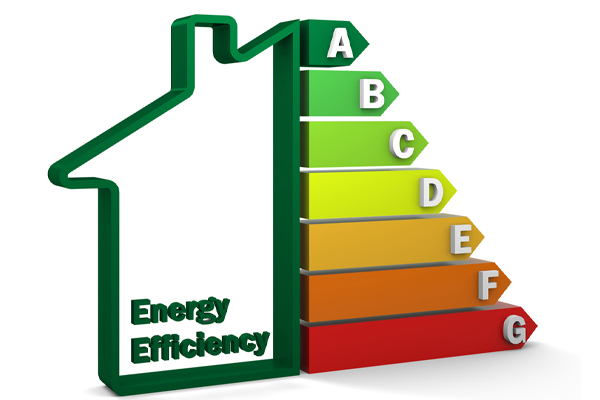
An HVAC contractor needs to inspect, clean, and maintain HVAC ductwork frequently. In ducted systems, many homeowners neglect or forget ducts often, leaving them vulnerable to contaminants. Sometimes, you cannot blame homeowners or building managers for this because ductwork systems out of sight, making them easier to forget. Mini-split systems not only lack ducts that collect air contaminants, but they also come with multi-stage filters. These advanced filters effectively collect particulates, allergens, and harmful microorganisms. As a result, ductless systems are better at producing better indoor air quality.

Customizability

When it comes to customizability, ductless mini-splits deliver. Mitsubishi systems are one of the most trusted brands in the world. They have built-in features that allow you to set the time, temperature, and sleep functions for more efficient use and comfort. Customizability also offers an extra boost in terms of cost-saving power.

Learn More On How Ductless Works Schedule A Free Mitsubishi Consultation

Check Out One Of Our Ductless Installation Projects

Case Study: Clark Mitsubishi Ductless Installation In Sewaren NJ

Call To Schedule A Free, In-Home Estimate

Are You Ready To Make The Switch To Ductless?

You have the option now to choose the best HVAC system to ensure your low energy costs, home comfort, and safety. If you are ready to switch to a ductless system or have more questions, call Skylands Energy Service right away. Our NATE-certified technicians will discuss your needs and requirements to help you understand the best HVAC system for you. We offer a range of services from installations to repairs to replacements. We also offer an in-home estimate free of charge. Call Skylands Energy Service today.

Call Now: (908) 707-1776

Contact us now at (908) 707-1776 to find out more!

The post Learn The Advantages Of Ductless HVAC Systems appeared first on Skylands Energy.


from Skylands Energy https://www.skylandsenergy.com/ductless-heating-cooling/advantages-of-ductless-hvac
via IFTTT

Monday, September 30, 2019

Why Residential Energy Efficiency Should Be Important To You

residential energy efficiencyOften referred to as ductless heat pumps and mini-split systems, ductless HVAC systems can efficiently and quickly heat or cool the home.

Unlike window AC systems, ductless HVAC only requires a minor wall modification for installation. This makes them far less susceptible to air leakage, and it also diminishes security issues, which are quite common for window ACs. In addition to being far less conspicuous than a traditional window air conditioner, ductless HVAC systems also provide quieter operation.

One thing that makes these units genuinely incomparable to other HVAC system types, however, is their extraordinary level of overall energy efficiency.

Learn More About Mitsubishi Ductless Systems Call To Schedule A Free, In-Home Estimate

Why Is Residential Energy Efficiency So Crucial?

You can cut your home energy bills significantly by improving your home’s overall thermal characteristics. Proper insulation and using a combination of energy-efficient practices can help. For example, when your home has adequate insulation, you will use less energy to cool your living environment down during the hot days of summer. Also, you can improve your energy efficiency by installing Energy Star-rated appliances, energy-efficient light bulbs, and by using common practices to limit your home’s overall electrical load.

Another method that can reduce your energy consumption is to take advantage of cutting-edge heating and cooling technologies. When it comes to energy-efficient HVAC systems, the ductless mini-split is unsurpassable.

Airflow

A ductless mini-split HVAC system can significantly increase all-around energy efficiency. The flow of air, heat, and indoor humidity levels are all controlled by an HVAC system. This type of system works to keep the interior of the home comfortable and dry. HVAC systems rely on air exchangers, heat recovery ventilators, heating, and ventilation systems for circulating the indoor air and eliminating excess moisture.

Indoor Air Quality

In addition to heating and cooling the home, HVAC systems also provide many secondary benefits. For instance, given that this equipment promotes proper air circulation, it helps distribute clean, fresh air throughout the building. Using mechanical ventilation to control indoor airflow keeps the indoor air refreshed.

These systems also help minimize and prevent humidity problems. High levels of moisture inside of the home can both create air quality concerns and exasperate them. HVAC can moderate indoor humidity, prevent condensation, prevent peeling paint, keep the windows and ceilings from becoming stained, and hinder pervasive odors and mold growth.

Property Value

Each of these benefits can have a positive impact on the overall value of your home. In real estate, homes that are energy-efficient stand out in the market, and they often have higher sales values. Renovations and other improvement projects can boost the value of your home – and this is undoubtedly the case for an HVAC system that’s been expertly installed.

A large portion of your energy costs come from heating and cooling your home. Therefore, having an energy-efficient HVAC system is vital if you want to reduce your home heating and cooling costs. It is no wonder why homeowners who install ductless systems have enjoyed the benefits that come with it.

Call Today: (908) 707-1776

Ductless HVAC Systems: An Introduction

ductless hvac systemA ductless, mini-split heating, and cooling system is commonly used in residential and commercial environments.

They work well for additions, offices, garages, and troublesome rooms that a traditional HVAC system can’t heat/cool properly. For example, these systems are excellent for finished attics when it isn’t possible to install the necessary ductwork.

Much like central HVAC systems, mini-split equipment has two primary components: an indoor unit and an outside condenser. It also has secondary components, including refrigerant tubing and cables for connecting the inside and external components.

System Sizes

The primary benefits of having a mini-split ductless system are the fact that these units are discrete and small, making them perfect for individual rooms of just about any size. Depending upon which model you choose, it’s possible to have as many as four separate indoor units connected to only one unit outside. Your cooling and heating needs will determine the number of units installed in your home.

Installation

A mini-split ductless system is also much easier to install than any other system type. It is only necessary to drill a very small hole in the wall to hook up the indoor and outdoor units and connect them. If needed, connecting conduits are available in varying lengths. This allows for a very high level of overall versatility. You can have your system heat or cool rooms and can have your compressor positioned outdoors in a very inconspicuous area.

Given that mini-split systems are so very efficient, they can help further limit the consumption of energy in any home that already has central heating and air installed. This allows homeowners to limit their reliance upon their central systems by installing a ductless unit in rooms that are frequently in use.

In comparison to other residential add-ons, mini-split HVAC systems provide the highest amount of versatility in terms of overall room aesthetics. Indoor units can be mounted flush against a corner wall or even suspended from a ceiling. There is also the option to install units on the floor. Irrespective of how a unit is positioned, many are at a depth of just several inches and often include a contemporary, high-gloss finish. A lot of advanced ductless systems are remote-controlled, thereby allowing users to adjust temperatures from across the room.

Explore Mitsubishi Ductless Heat Pumps Call To Make An Appointment


Why Are Ductless Mini-Split Systems So Energy-Efficient?

energy costsMini-split HVAC systems take a multi-dimensional approach to create higher levels of energy efficiency. Ductless systems do not present the same issues that are common among forced-air or conventional HVAC systems. According to many HVAC experts, forced air systems lose about 30 percent of all air being passed through ductwork. As such, these systems have a high rate of energy loss.
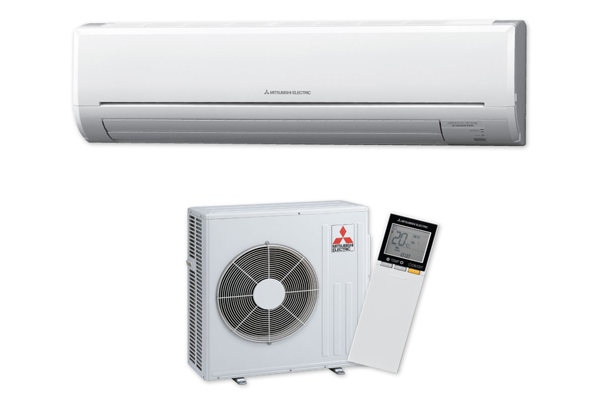
Given that ductless mini-splits don’t rely on ducting for the transport and distribution of air, this isn’t an issue that homeowners must deal with. As such, this attribute helps make ductless mini-split systems much more energy-efficient.

Targeted Zoning Technologies

Cooling and heating a room all of the time does not make sense. Not everyone in your home is going to be using all of the rooms at all times. With a ductless HVAC system, you can target specific zones or the rooms within the home. These units operate independently of one another. Therefore, you can cool or heat a room that is actively in use. When leaving a room, you can easily turn it off, saving energy in the process.

Inverter Technologies

With ductless mini-split inverter technology, only the necessary amount of energy will be used by a mini-split ductless HVAC system to create and maintain the desired temperature indoors. These units do not mindlessly pump out cold or hot air into rooms. The compressor is engaged on a purely as-need basis, which makes the entire home more energy-efficient. Inverter technologiesInverter technologies manage extremes of temperature effectively, particularly when compared to old and outdated compressor designs. This allows for more comfortable and stable living and working environments throughout the home. It also sets the stage for far lower energy costs.

Programmable Settings

Mini-split ductless HVAC systems additionally include programmable thermostats and times. This is a set-it-and-forget-it solution that’s known to limit energy use and spending. Ductless systems do not have to be manually adjusted. They can turn themselves off and on according to preset times throughout each day. For instance, when you head out to work, your ductless mini-split will shut itself down. When you head back home, this system will already be on, and your home interior will be at the perfect temperature. Beyond providing a far higher level of overall energy efficiency, this can also greatly increase comfort levels within the home.

Learn More On How Ductless Works Schedule A Free Mitsubishi Consultation


What Are Some Of The Benefits In Choosing A Ductless HVAC System?

mitsubishi heating and cooling systemMitsubishi ductless mini-split HVAC systems have completely revolutionized energy efficiency within the residential environment. This has made it the go-to option in HVAC systems for those who are looking for reliable functioning, given that this is exactly what the Mitsubishi brand promises and provides.

Mitsubishi mini-split systems are easy to install and only require a three-inch hole to be drilled into the wall to accommodate the conduit, which houses the power for this system. Mini-split heat pumps are perfect for new residential construction, but these systems can also be retrofitted for existing construction as well. Following are a few impressive benefits that a ductless HVAC system can provide, particularly one that’s been designed by the Mitsubishi brand.

Improved Solutions To A Long-Standing Problem

With traditional HVAC systems and heat pumps, the air is treated and then relayed through a vast system of ductwork. With a ductless mini-split HVAC system, however, the air is directly delivered to various rooms or zones throughout the building. The entire system is comprised of an indoor unit that needs access to electricity and requires mounting, and an outside condenser.

Business owners and homeowners can get a cost-effective way to replaced outdated systems that aren’t energy-efficient and that require a considerable amount of power. These systems can be installed in condos, on construction sites, in apartments, or in homes to improve specific portions of these buildings.

Ductless HVAC systems from Mitsubishi offer total and quiet control. You will have the ability to customize temperatures in each room throughout remote access and with the help of timers. One major benefit that sets the Mitsubishi brand of HVAC systems apart is the fact that these units offer whisper-quiet operation. These systems allow for peaceful and relaxing indoor conditions.

Homeowners who own ductless Mitsubishi HVAC systems know that their Mitsubishi mini-splits are smart investments. These HVAC systems use a lot less energy than traditional HVAC equipment, and they don’t diminish indoor aesthetics.

Ductless Mini-Splits: Supplemental Heating & Cooling For Forced-Air HVAC Systems

home comfortDuctless mini-split HVAC systems can additionally be used to supplement other cooling and heating sources within your home. Given their discreet nature, a lot of homeowners are installing these systems in areas such as guest rooms, living rooms, and even hallways.

You may have a central HVAC system that heats and cools your entire home. For instance, you might want to simply cool down your bedroom during the nighttime hours in the summer, without adjusting the temperatures of rooms that you aren’t using while sleeping.

No matter what its application is, a ductless mini-split HVAC offers energy savings from both an engineering perspective and via product design. Due to the fact that no ductwork is needed or used, a ductless mini-split isn’t going to have air leaks or issues with ducts that aren’t insulated.

Remember that much like all other equipment in the home, routine maintenance is essential. Air filters should be inspected and replaced regularly and when these are visibly dirty. If you aren’t sure, follow the recommendations of the manufacturer concerning how often filter cleaning and replacement should be performed.

For the component outdoors, check to ensure that no foliage or debris is blocking this unit. It needs unobstructed and steady airflow.

Why Ductless HVAC Systems Are Better Than Window AC Systems

When deciding between a ductless mini-split system and a window air conditioner, you have to be sure to consider the basic differences between these two types of equipment.

Location

As an example, a window unit must be installed in a fixed area. It will take up the entire window and it won’t be very attractive to look at. Moreover, this equipment is noisy and requires a lot of energy.

On the other hand, a ductless mini-split is far more efficient at heating and cooling an area. It requires just a single, small-sized hole for running wires through the wall to connect with the condenser outside.

Energy Use

Then, there’s obviously energy consumption and energy efficiency to think about. Ductless HVAC systems offer far more cost-effective operation throughout their entire lifespans. They also have significantly higher SEE ratings. This rating measures the efficiency of their heating and cooling operations, much like gas mileage for cars.

Air Quality

There’s a very vast range of benefits that ductless mini-split HVAC systems can provide. This will help you save cash by reducing your energy use. They will also improve the indoor air quality for your home. They’re easy to maintain and easy to install. More importantly, they’ll allow you to reduce your carbon footprint.

Zoning

The automatic zoning of these systems makes them ideal as each outside unit can create the desired temperatures in individual spaces. You don’t have to deal with extra coils, frustrating dampers, the problem of bypass ducts among other things.

Call To Schedule A Free, In-Home Estimate

Take A Look At One Of Our Ductless Mini-Split Installation Projects

Case Study: Clark Mitsubishi Ductless Installation In Sewaren NJ

Get In Touch With Skylands Energy Service For All Your HVAC Requirements

For a trusted and reliable HVAC service that offers high-quality cooling and heating solutions, get in touch with Skylands Energy Service today. We provide expert HVAC services and solutions at fair and honest prices. If you have an interest in learning more about ductless systems for your home, contact us today. Our team of NATE-certified and friendly technicians are knowledgeable and experienced enough to find the ideal ductless system for every home.

We provide many additional home comfort services such as furnace repair services, HVAC tune-ups, and more. Better still, our HVAC experts are personable, polite, and friendly. We make every effort to ensure that your service visits are always pleasant. Set up a free consultation by calling us now. Call Skylands Energy Service today!

Call Now: (908) 707-1776

Contact us now at (908) 707-1776 to find out more!

The post Why Residential Energy Efficiency Should Be Important To You appeared first on Skylands Energy.


from Skylands Energy https://www.skylandsenergy.com/energy-efficiency/residential-energy-efficiency/
via IFTTT

How to Tell If Your Furnace Is Short-Cycling & What to Do

The chill in the air means that winter is on its way. The freezing temperatures are likely to bring discomfort to your home. Make sure that...