Monday, February 24, 2020

Floor-Mounted Ductless Indoor Air Handlers

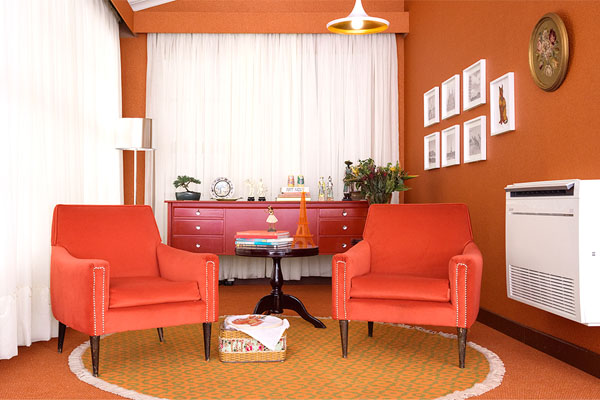
image of a floor mounted ductless system

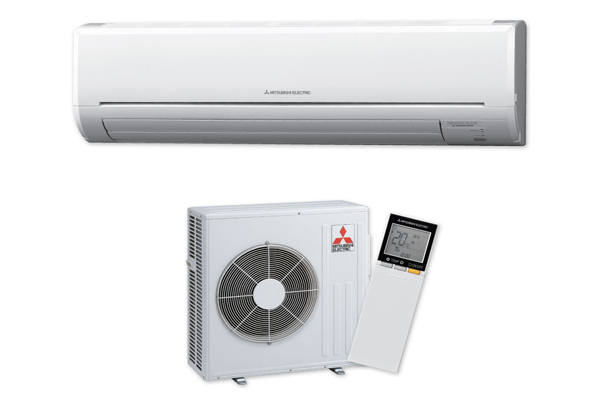
The main difference between a ductless mini-split heating and cooling system and a traditional HVAC system is that mini-splits don’t involve ductwork. Ductless systems incorporate a refrigerant line, an indoor unit, and an outdoor unit. The conduit line connects the indoor air handler to the outdoor compressor. The indoor unit disperses the conditioned air. Meanwhile, the outdoor unit is where heat is released or absorbed to condition the air that heats or cools your home.

Mini-split systems are either multi-zone or single-zone units. Single zone units consist of an outdoor and indoor unit, and it’s designed to cool or heat a single room. A multi-zone system can consist of up to eight indoor units and one outdoor compressor. Therefore, the multi-zone ductless setup can heat or cool several rooms throughout your home.

When you’ve made the decision to get a mini-split system, then you’ll have to decide what type of ductless system to get. Throughout the rest of this article, we’ll discuss the various ductless systems on the market. However, we’ll focus more on the floor-mounted ductless mini-split systems and the benefits associated with them.

Learn More About Mitsubishi Ductless Systems Call To Schedule A Free, In-Home Estimate

Types Of Ductless Mini-Split Systems

There are several types of mini-split systems. They include:

Vertical Air Handler

This system is similar to central AC. It connects to duct-work that is already installed. However, vertical air handlers are more cost-effective and they are more energy-efficient.

Do-It-Yourself

This is a single zone system that is wall mounted. You install it yourself, but you don’t need special tools because the system comes with a pre-charged refrigerant line. It even has WiFi access that’s built within it. This system is an appealing option for people who want to not pay the costs associated with installing a system.

However, it is important to note that many manufacturers will not offer a warranty for HVAC systems that are not installed by a licensed HVAC contractor. Furthermore, some manufacturers offer additional benefits for homeowners who hire an authorized dealer of their brand.

Ceiling Cassette

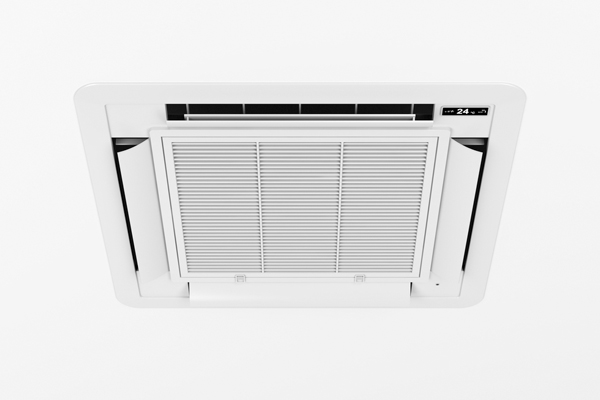
Like most ductless setups, a ceiling cassette consists of an indoor air handler and an outdoor compressor. The indoor unit mounts on the ceiling. It is a good option for those who want a ductless system that is almost completely out of sight. Besides that, the system is capable of delivering cold and hot air in four directions. Ceiling cassettes provide you with more extensive airflow than other kinds of systems.
Call Today: (908) 707-1776


image of a ceiling cassette for a ductless hvac system


Concealed Duct

This system can be installed on a ceiling, but that’s the only main thing that makes it similar to a ceiling cassette. A concealed duct system is not ductless. It’s installed on a ceiling so that one or more ducts can connect to it. The air vents disperse cold or warm air when released from the system. This type of system is ideal for those who want to heat or cool a large room or multiple rooms in their home.

Ceiling Suspended

Ceiling suspended units are also mounted to a ceiling. It’s a good choice for those who don’t have a lot of wall space. The indoor unit looks similar to a wall-mounted system due to the nature of the design. Don’t worry though because the system’s installation is discreet, so it won’t interfere with your home’s aesthetics.

Explore Mitsubishi Ductless Heating And Cooling Systems Call To Make An Appointment

Wall Mounted Ductless Units

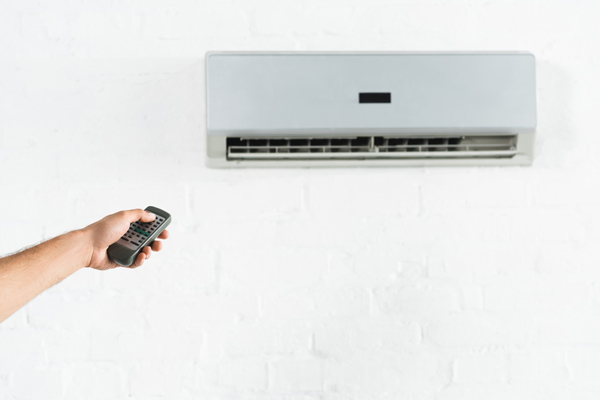
Out of all the mini-split systems, this is the most common one. Consequently, it also costs the least. The wall-mounted unit is installed onto a wall, while air is pumped out of it. The air is either pumped into a room or a zone. Bear in mind that the higher that an HVAC contractor mounts the unit, the longer that it will take for the room to feel warm or cool. The good news is that this type of unit disperses an even, balanced temperature throughout the room or zone. Therefore, you won’t have to worry about cold and/or hot spots in a room.

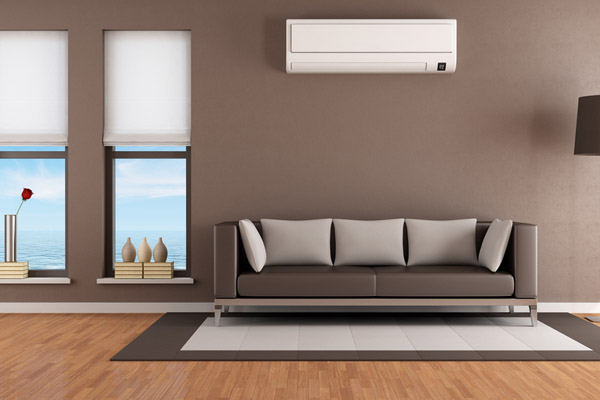
This is a great choice for virtually any room. Some people think that the aesthetics of a room can be affected by wall-mounted systems. However, this isn’t necessarily true. In fact, you can choose from various styles and designs. It can be discreet, which means the indoor unit can easily be installed in a way that keeps it hidden. The system can also have a design that is low-profile and sleek.


Floor-Mounted

Floor mounted units are installed in an area where the floor and the wall meet. Generally speaking, the conditioned air that a floor-mounted unit disperses are felt quicker than wall mounted units. Floor mounted units are ideal if you don’t have a lot of wall space or if the room you want to heat/cool has been constructed with materials that are fragile. Besides that, floor-mounted units tend to be more discreet than wall-mounted systems, so it doesn’t have a great impact on the way a room looks.

Installing a floor-mounted system in a furnished room can be a bit tricky. This is because the unit’s performance can be affected if the furniture is placed too close to it. For example, air won’t distribute evenly if furniture or an appliance is blocking the system. Unless you are close to the floor-mounted unit, then you won’t feel its benefits.

Read Our Reviews

Mitsubishi logo


Features Of Floor Mounted Ductless Units

Floor mounted units tend to use modern technology and they are designed in a way that makes them look appealing. They are very efficient too. With that said, here are several features that many floor-mounted split systems have:

Stylish

They may have been designed to provide you with the utmost comfort, but they also an appealing look that would work in any home. The units feature a modern design, which doesn’t impact the aesthetics of the room they are installed in.

image of woman enjoying comfort of ductless hvac system


Zoned Comfort

You can manage different zones within your home with a floor-mounted ductless system. You don’t have to worry about temperature swings either. This means you can enjoy a warmer temperature in one room, but a colder temperature in the next. The ability to cool/heat different zones of a home is good for households with multiple people living in them.

Better Air Quality

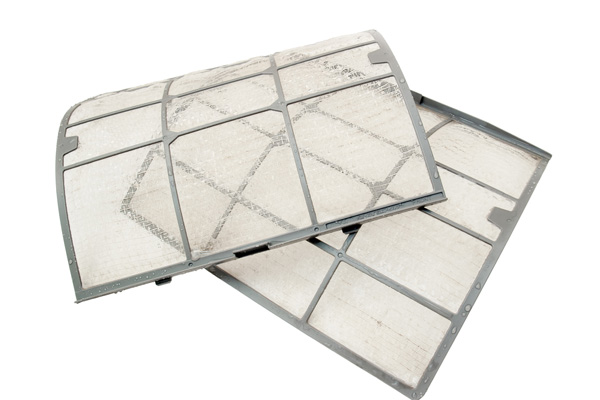
Air filters in HVAC systems are designed to purify and deodorize the air within the home. Advanced filtration systems are often found in many of the newer ductless HVAC systems. In turn, dust, allergens and other contaminants are removed from the air. What this means for you and your family is that you breathe in healthier and cleaner air.
Learn More On How Ductless Works Schedule A Free Mitsubishi Consultation

image of a ductless hvac filtering system


Easy Access To Air Filters

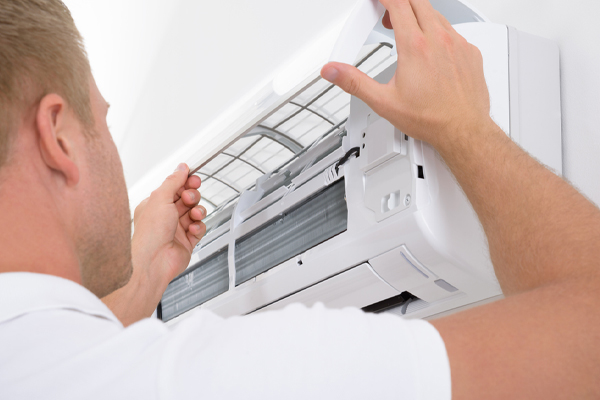
You have easy access to air filters in floor-mounted systems because they are right on the front panels. Many of the floor-mounted units have filters that are easy to remove, clean and wash. You won’t have to keep spending money on new air filters if you clean them regularly. In fact, some of these filters easily last for over eight to ten years.


Inverter Technology

HVAC ductless systems are extremely efficient because you can turn them off once you leave a room. However, floor-mounted systems have inverter technology installed in them. This technology allows the system to determine what the conditions of a room are. After it does this, the system will adjust the fan and compressor settings. The result is consistent temperatures in the rooms that the system is heating or cooling. Inverter-driven ductless systems are much more energy efficient because only a limited amount of energy is used.

Hot-Start Technology

This feature is one of the best features that many floor-mounted ductless systems are equipped with. Most HVAC systems blow cold air when they turn on. However, with this feature, the coils are pre-heated, producing hot air instantly. In turn, you’ll become warm much quicker.

Call To Schedule A Free Ductless Consultation

Quiet Operation

The floor-mounted ductless system runs quietly. This goes for both the indoor unit and the condenser. Some of the newer models have whisper modes, which means that you can barley hear them.

Smart Controller

Smart remote controllers often come with floor-mounted systems. You can use this to control airflow power, fan speed, and vane direction. Some even allow you to schedule when your system goes on and off. Then there are controllers that let you control your floor-mounted settings via a smartphone or tablet. All you do is download an app and you’re good to go.

Installation

Many types of HVAC systems can take hours or days to install. Floor-mounted ductless systems are relatively fast and easy to install. Best of all, the installation of floor-mounted systems is not a messy process. It only requires a 3-inch hole that connects the indoor air handler to the outdoor unit. The refrigerant line connects to the condenser to the indoor unit.


Installation Tips

When it comes to installation, there are a few tips to keep in mind. These tips include:

  • Install the indoor unit six inches above the floor
  • You’ll want to keep the indoor unit away from direct sunlight. Sunlight can make your thermostat read temperatures wrong. In turn, you might not receive not air to provide you with the comfort you desire.
  • Furthermore, the unit should be kept away from certain appliances such as television sets and microwaves. The reason for this is because communication can become interrupted. The unit and the remote control has to communicate, and certain appliances can affect communication.
  • If the unit is installed behind furniture, then airflow becomes obstructed. In turn, the performance of the system will suffer. The best thing to do is to install the unit in a place where it won’t be hidden.
ductless installation


When To Choose A Floor Mounted Unit

If you have a bedroom in the attic, then a floor-mounted unit is a good idea. A ceiling or wall-mounted unit is difficult to install in an attic, which is why a floor-mounted unit is ideal. Floor mounted units are easy to install in attics, and they won’t be in the way. However, they are also great for just about any other room in the house.

Check Out One Of Our Ductless Installation Projects

Case Study: Clark Mitsubishi Ductless Installation In Sewaren NJ

Conclusion

If you want to have a floor-mounted unit installed in your home, then contact an HVAC company today. They’ll help you choose the best model that works for your situation.

Call Skylands Energy Service To Learn More About Ductless HVAC Systems

image of skylands energy service logo

A ductless system will provide you with low energy costs, increased home comfort, healthy indoor air quality, and safety. If you are ready to switch to a ductless system or have more questions, call Skylands Energy Service right away. Our NATE-certified technicians will discuss your needs and requirements to help you find the best ductless HVAC system setup for your home. We offer a range of heating and cooling services, including installations, repairs, replacements maintenance, and more. We also provide free in-home estimates. Call Skylands Energy Service today.

Call Now: (908) 707-1776

Contact us now at (908) 707-1776 to find out more!


The post Floor-Mounted Ductless Indoor Air Handlers appeared first on Skylands Energy.


from Skylands Energy https://www.skylandsenergy.com/ductless-heating-cooling/floor-mounted-ductless-mini-split
via IFTTT

Monday, February 10, 2020

Why A Concealed Duct Mini-Split System Is Perfect For Your Home

image of a Mitsubishi Concealed Duct Heat Pump

Easily the most popular type of mini-split system is the wall-mounted ductless type. Some homeowners, however, are not fans of the exposed indoor air handler that wall-mounted systems have. In fact, homeowners are more likely to prefer mini-split air handlers that are out of sight and out of the way.

If you would prefer a zoned HVAC system where most of the components are nearly out of sight, consider having a concealed duct mini-split system installed. Concealed ducts are discreet, with major components installed behind certain parts of the house or designed to blend in with the design. The bulky parts are hidden away, usually in the attic, crawl space, or dropped ceiling. It circulates conditioned air through the ductwork, releasing cool or warm air to a specific zone through grilles installed in the ceiling, walls, or floor.

Learn More About Mitsubishi Ductless Systems Call To Schedule A Free, In-Home Estimate

Concealed Duct Mini-Split Systems: What You Need To Know

What Is A Concealed Duct Made Of?

Different parts make up a concealed duct, each of which performs an important role in how the system works.

Indoor Air Handler

  • Power supply- provides power to the indoor unit
  • Communication cable- serves as a connection between the indoor and the outdoor units
  • Diffusers- the component from which air is distributed to different rooms
  • Flexible ducts- used to distribute conditioned air among different diffusers in a certain room
  • Return air grilles- filters air to eliminate dust, dirt, and other contaminants
  • Wired tether controller- overall control of the indoor unit
  • Motorized dampers- provides zoning capabilities

Accessories For The Indoor Unit

  • Hanger- provides support for the indoor unit
  • Fastener- keeps the insulation blanket in place
  • Flare nut- serves as the connection between the gas and liquid pipes
  • Pipe insulation- provides insulation for the gas and liquid pipes
  • Nut with washer- keeps the unit fastened to the hanger brackets
  • Nut- a key component along with suspension bolts in installing the unit
  • Washer- often used with nuts to install the unit
Call Today: (908) 707-1776


Outdoor Condenser

The outdoor unit is composed of the following:

  • Service cover- conceals the lines that connect to the outdoor unit
  • Gas pipe- serves as the conduit to contain the refrigerant in gas form
  • Front panel- covers the components of the outdoor unit
  • Liquid pipe- the pipe through which coolant flows in liquid form
  • Drain hose- the part through which condensate or fluid flows out of for disposal
  • Outdoor power supply- the component that powers up the outdoor unit

Accessories For The Outdoor Unit

  • Drain plug – plugs up the drain hole to prevent the release of fluid
  • Drainage connector – connects the unit to the PVC drain pipe

What Are The Features Of A Concealed Duct HVAC System?

Mitsubishi logo


One of the key features of a concealed duct is that its design allows it to be out of view and still give you excellent climate control. Conditioned air is pushed through the ductwork before it is released to the rooms or indoor spaces through a largely unobtrusive ceiling or wall grille. As such, a concealed duct system allows you to choose different grille types that suit different zones. With this system, you can match your grilles to the overall design aesthetics of your home.

A concealed duct has different key features. These include:

Low Profile

Every zone is assigned a ducted unit that is installed either below or above a zone using short-run ductwork. The rest of the system is not visible and only the grilles can be seen. Regardless of the season, you will enjoy excellent comfort without worrying about the layout of your home.

Explore Mitsubishi Ductless Heating And Cooling Systems Call To Make An Appointment


Whisper-Quiet Operation

Concealed ducts have indoor air handlers that run at very low levels of noise. When the unit is on, there is no distraction or annoying background noise that will affect your daily activities.

Automatic Changes

Concealed duct systems have an automatic mode feature that lets you transition from heating to cooling mode with just a few clicks. This allows you to control how your HVAC system works and create an indoor environment that has consistent temperatures on each zone.

Comfort Control

If you choose to install concealed duct accessories to the intake air grille or the wall-mounted controller, you can even optimize comfort inside your home. An additional temperature sensor, for example, will help you determine fluctuations in the temperatures of each zone. When you know exactly the kind of environment a specific zone has, you can modify the settings of your HVAC system to enjoy the exact temperature you want where you want it.

Read Our Reviews

Remote Control

When it comes to remote controls, a concealed duct system offers an excellent range of options. Should you so choose, you could even control your HVAC system using an app you download on your smartphone or tablet. This is the perfect solution for you if you are away from home a lot or plan on having an extended vacation. With a smartphone or tablet app, you could control the temperature settings in your home from miles away. When you come home, your home is exactly the comforting environment you want.


Other Features

There are also optional features you can choose to have better control over your HVAC system, depending on its model, make, or brand. A few features you might want to consider include:

  • Provision for fresh air intake
  • Anti-cold air
  • Adjustable pressure for external static
  • Provision for convertible return air
  • Detector for refrigerant leakage
  • Drain pump that comes with a float switch
Learn More On How Ductless Works Schedule A Free Mitsubishi Consultation

When Should You Choose A Concealed Duct System?

A concealed HVAC system is the choice for homeowners who want a discreet system that works out of sight. Since this system is out of view, you have more freedom to control the amount of living space you have. It is the perfect system for homeowners who want to prioritize aesthetic value in the design and setup of their home.

Concealed ducts have high efficiency. They can deliver conditioned air in small and large spaces. They utilize short-run ducts for the circulation of air through several outlets in the room and can even distribute the conditioned air to adjacent smaller living spaces. If you want to be rid of an older and inefficient HVAC system, consider the features you can enjoy with a concealed duct HVAC system.

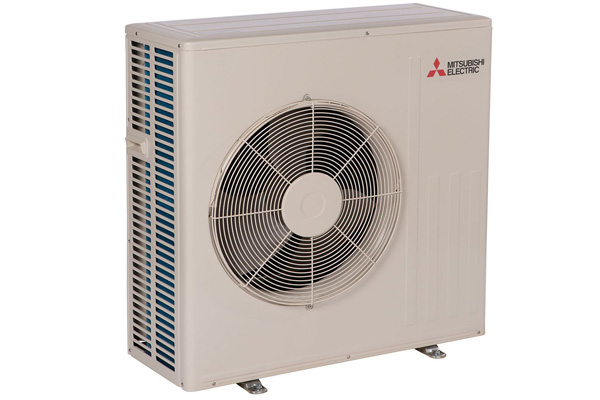
mitsubishi outdoor condenser


Getting A Concealed Duct Unit Installed

When it comes to location, you will be glad to know that it is possible to install a concealed duct system in virtually any space in your home. You could, for example, choose the attic or a crawlspace. As long as these spaces have excellent insulation, you can utilize them to house the unit. If the unit will be placed in an open space, a box may be built to protect it and you can add insulation later. Insulation is necessary to prevent the formation of condensation.

If your current duct system distributes air to different areas in one room, it is important to ensure that the transition ducts are already in place. You can add outlet grilles may later. If you want to install a return air vent, you will need to have a filter installed as well. The filter is necessary to trap dust, dander, and other pollutants.

If the concealed duct will be installed in the ceiling, make sure the ceiling structure is sturdy enough to hold twice the unit’s weight. It is also important that there is sufficient space around the HVAC unit to allow easy accessibility for service and maintenance work. Check that the air outlet and inlet do not have any obstructions. This allows for proper airflow throughout the system.

If you plan to install the concealed duct unit on the wall, ductwork may not be required. However, grilles are still necessary to protect the unit and give it a more pleasing look.

Call To Schedule A Free Ductless Consultation

Check Out One Of Our Ductless Installation Projects

Case Study: Clark Mitsubishi Ductless Installation In Sewaren NJ

Conclusion

Concealed duct systems are a terrific solution for homeowners who prefer an HVAC mini-split system that is reliable, and space-saving. On top of that, concealed duct systems are energy-efficient, low-noise, and have zoning capabilities.

Make the right decision the first time by talking to a trained and experienced HVAC professional who specializes in mini-split installation. A professional can guarantee a safe and complete installation of the unit that conforms to local and state codes. He/She can assure you that your concealed duct system is the right size, capacity, and model to meet your heating and cooling needs. With a qualified HVAC professional, you will receive excellent support from the start of the installation to its completion.

Call Skylands Energy Service To Learn More About Ductless HVAC Systems

image of skylands energy service logo

A ductless system will provide you with low energy costs, increased home comfort, healthy indoor air quality, and safety. If you are ready to switch to a ductless system or have more questions, call Skylands Energy Service right away. Our NATE-certified technicians will discuss your needs and requirements to help you find the best ductless HVAC system setup for your home. We offer a range of heating and cooling services, including installations, repairs, replacements maintenance, and more. We also provide free in-home estimates. Call Skylands Energy Service today.

Call Now: (908) 707-1776

Contact us now at (908) 707-1776 to find out more!


The post Why A Concealed Duct Mini-Split System Is Perfect For Your Home appeared first on Skylands Energy.


from Skylands Energy https://www.skylandsenergy.com/ductless-heating-cooling/concealed-duct-mini-split
via IFTTT

Monday, January 27, 2020

What You Need To Know About Ductless Indoor Air Handlers: Ceiling Cassettes

image of a ceiling cassette for a ductless hvac system

Homeowners who are looking for the perfect air conditioning system can choose from several options that will match their needs and preferences. By far, the most popular options are window air conditioners, central AC units, and ductless mini-split air conditioners. There are, of course, certain considerations you might want to factor in, such as aesthetic value. Let’s admit it, we want a home that is uncluttered and organized, which is why you might want to consider a type of ductless air conditioner, which is the ceiling cassette ductless type.

Learn More About Mitsubishi Ductless Systems Call To Schedule A Free, In-Home Estimate

Why You Want A Ceiling Cassette A/C

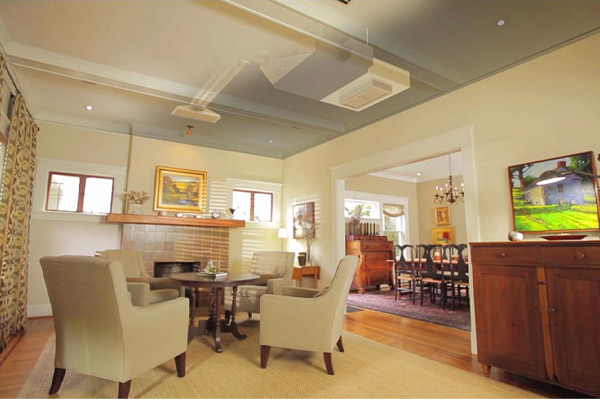
A ceiling cassette is one of the types of ductless mini-split systems. In this system, the indoor air handler is not installed on a wall or floor. Instead, it is installed in the ceiling. The rest of the components are hidden away behind the ceiling. Conditioned air is released through a small discharge grille. The grille is nearly invisible, which makes the ceiling cassette type the perfect option for every type of room since it does not take up a lot of space.

With a ceiling cassette, cool air is distributed from up to four sides of the cassette unit. However, the outdoor/compressor unit of the system is installed outside the home, in the same manner as other types of mini-splits. The ceiling cassette type is considered more powerful compared to the wall-mounted type. This is why it is popularly used in office and commercial environments.

Ceiling Cassette Features

Several features are unique to ceiling cassette units. These include:


Quiet Design

No one wants a noisy air conditioner, which makes ceiling cassettes the perfect choice. These units come with large fans, which allow a higher volume of airflow to be distributed using a slower speed. This helps reduce noise levels to a minimum. In fact, noise from ceiling cassettes has been measured at a mere 38 dBA – just slightly louder than your whisper.

Comfort Control

The return air handlers in ceiling cassettes have return air sensors. The sensors are in place to keep track of indoor air temperatures so that the unit can automatically adjust its settings when necessary. As such, you can expect your ceiling cassette unit to keep the temperatures indoors consistent and even. Its vents can also be adjusted to direct airflow where it is required.

image of woman enjoying comfort of ductless hvac system

Enhanced Indoor Air Quality

Ceiling cassette air filters are very accessible, which makes them easy to clean. Each month, open the unit, remove the air filter, wash it, then put it back. This allows you to keep your air filters clean and fresh. This, in turn, keeps it efficient in trapping dirt, pollen, dander, and other air contaminants.

When you can keep your air filters clean effortlessly, you are assured that your A/C unit is working as it should. Plus, you do not have to spend more money on purchasing new filters. Ceiling cassette air filters are also capable of bringing fresh air from outdoors into indoor space. By drawing in fresh outdoor air, it keeps indoor air clean-smelling and more healthful. As such, it can prevent that characteristic dank smell that air-conditioned rooms often emit when only indoor air is being cycled.

The ceiling cassette air filter is also a capable air purifier. If you choose a photocatalytic purification air filter for your unit, you will have an A/C that is capable of eliminating harmful air contaminants and pollutants from your indoor environment. Thus, it improves your indoor air quality.

Call Today: (908) 707-1776

Remote Operation

A ceiling cassette A/C offers a number of options to allow you better control of the unit. With A/C remote controllers, you can customize the system based on your needs and preferences. That way, you can keep your environment in a condition that suits you best.

You could also opt for a smart controller – a remotely-controlled feature that allows you to manipulate the settings even when you are away, such as at work or on vacation. This is an excellent feature to have to keep your home environment safe and comfortable. Once you return home, your house is exactly the temperature you want it to be.

Other Features

Although wall-mounted A/Cs have more features than ceiling cassettes, the latter offers more in terms of applications. The features that come with a ceiling cassette will, of course, depend on its make and model. If there is a specific feature you want, ask which brand or series carries it. The most reputable of all ceiling cassettes are made by Mitsubishi. Here are some of the most common features you can expect:

  • Compact and lightweight
  • Four-directional release of conditioned air
  • Modern styles and designs that suit all types of home interiors
  • Uses R410A coolant, an ozone- and environment-friendly compound


Pros And Cons Of Ceiling Cassettes

Pros

One of the most striking advantages of ceiling cassette units is that it can distribute conditioned air efficiently throughout an enclosed space. The powerful fans that these units are equipped with ensures that conditioned air is circulated well, especially in a large space. Other types of A/Cs are not as effective.

The cooling capabilities of the ceiling cassette is also quite remarkable. If you have one installed in a large room and want to cool the room next to it, you do not even have to install a separate unit. You can simply distribute cool air to the adjacent room via a branch duct. As such, you can cool two rooms using just one unit.

If you are concerned about having bulky A/Cs in your house, the ceiling cassette is a perfect choice. Since it is installed on the ceiling, it maximizes space on the floor and walls. The indoor air handler is also installed in the ceiling, allowing you to keep indoor living space free.

Also, ceiling cassettes are also no slouches in the energy efficiency department. Their advanced technology has features such as programmable thermostats and variable speed fans. With these added features, you can adjust temperature settings and enjoy a consistent temperature at no added cost.

Explore Mitsubishi Ductless Heating And Cooling Systems Call To Make An Appointment

Cons

Although ceiling cassettes work well, they also have limitations. They tend to carry higher price tags and take time to install, which is the case if the units will be installed in large buildings. The compressor is mounted outdoors, which means a longer conduit line will be required for the job. For the installation job to be completed correctly and safely, multiple holes have to be drilled.

Ceiling cassettes are not recommended for small spaces. If you prefer this type of air conditioner, you need to have enough ceiling space to accommodate the indoor unit. If the ceiling space is limited, you might have to choose a different HVAC system, which may not be as energy-efficient.


How To Choose Your Ceiling Cassette System

One of the best features of a ceiling cassette system is that most of the indoor unit stays hidden in the ceiling. In fact, the only thing that is visible is the small grille. It is the perfect choice if you want a system with excellent coverage but is barely visible.

Ceiling cassettes are popular for office and commercial spaces, but they are also recommended for large rooms. Due to its design and capabilities, a ceiling cassette unit can cool a large space evenly and consistently, allowing you to avoid troublesome hot and cold spots. It also releases conditioned air in all four directions, so cool air is evenly distributed in the entire room.

Ceiling cassettes are also highly recommended as the best alternative for areas where other types of A/C systems cannot be installed. These A/C units are energy-efficient, allow better control, and offer excellent performance so you enjoy optimized personal comfort.

Learn More On How Ductless Works Schedule A Free Mitsubishi Consultation

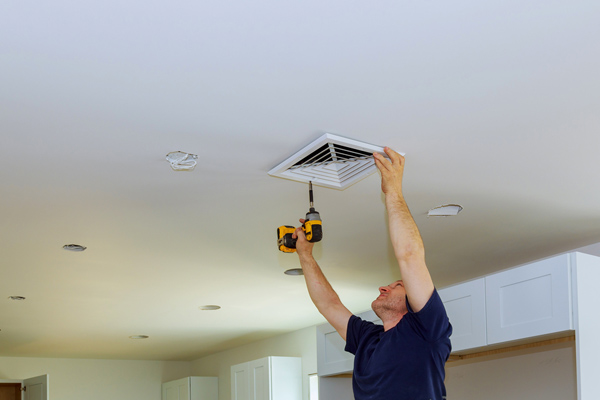
image of a ceiling cassette installation


What You Need To Know About Installing A Ceiling Cassette Unit

The first thing you need to consider before having a ceiling cassette A/C installed is space. Where will you put it? How much space is available in your home? Are there appliances or components of the structural design that could block airflow? The indoor unit usually measures 24″ x 24″ at the minimum. Rafters in most homes are usually spaced 16″ apart, which could make installation a challenge. If this happens to be the obstacle in your case, consider customization.

Placement

The rest of the ceiling cassette components are installed above the ceiling. These components will be hung using rods or cables. To ensure there is enough room, check if you have a minimum of 10-12″ of space in the ceiling.

Ceiling cassettes also have built-in lift pumps. Its primary function is to eliminate the condensate that the cooling cycle produces. A 1″ to 1.25″ PVC pipe connects the lift pump to the exterior unit.

If the room where you intend to install a ceiling cassette did not have air conditioning, consider if it has insulation. If not, have it insulated. This will help prevent the buildup of condensation on the exterior of the unit. Condensation causes water to gather on the floor or drip along the wall, which could lead to damage or problems with mold and mildew.

To prevent erroneous readings by the built-in thermostat, make sure that the indoor unit is not installed in an area that is exposed to higher or lower temperatures. If the indoor unit receives heat from a nearby heat source, for example, it could read the ambient temperature incorrectly and make the improper adjustments to the setting.

Conclusion

When you are ready to have a ceiling cassette A/C installed, call a professional HVAC technician for advice. An experienced HVAC expert will help you assess your needs and provide you with advice in identifying the correct make, model, size, and brand of A/C that will match your comfort needs, preferences, and budget.


Check Out One Of Our Ductless Installation Projects

Case Study: Clark Mitsubishi Ductless Installation In Sewaren NJ

Call Skylands Energy Service To Learn More About Ductless HVAC Systems

image of skylands energy service logo

A ductless system will provide you with low energy costs, increased home comfort, healthy indoor air quality, and safety. If you are ready to switch to a ductless system or have more questions, call Skylands Energy Service right away. Our NATE-certified technicians will discuss your needs and requirements to help you find the best ductless HVAC system setup for your home. We offer a range of heating and cooling services, including installations, repairs, replacements maintenance, and more. We also provide free in-home estimates. Call Skylands Energy Service today.

Call Now: (908) 707-1776

Contact us now at (908) 707-1776 to find out more!


The post What You Need To Know About Ductless Indoor Air Handlers: Ceiling Cassettes appeared first on Skylands Energy.


from Skylands Energy https://www.skylandsenergy.com/hvac/ceiling-cassette-ductless
via IFTTT

Monday, January 13, 2020

Ductless Indoor Air Handlers: What You Need To Know

image of family indoors in front of a ductless indoor unit

There are two main components in ductless mini-split systems – the outdoor units and the ductless indoor air handlers. Mini-splits are capable of generating cold and hot air, which makes them suited for areas that experience both cold and hot weather all year round. As long as the mini-split system is the correct size and capacity, you can enjoy optimum comfort regardless of the season.

The indoor air handler must be working properly to ensure that the system remains efficient. If the air handler is functioning as it should, the outdoor unit will continue to operate efficiently and ensure that it maintains the proper indoor temperature in your home.

Learn More About Mitsubishi Ductless Systems Call To Schedule A Free, In-Home Estimate

What Are Ductless Indoor Air Handlers?

The air handler is the component of a two-part HVAC system that an HVAC contractor installs indoors. This is the component out of which conditioned air is released into the home. The air may be cool or warm, depending on your preferred setting. In central HVAC systems, an HVAC contractor usually installs the indoor air handler in the attic, basement, or dedicated closet. In ductless mini-split systems, however, the heating and cooling technician usually installs the indoor air handler on the ceiling, floor, or wall.

How Does An Air Handler Work?

The refrigerant cools the warm air. The air handler pushes the air to the outdoor unit of the HVAC system. The warm air is then forced through the outdoor unit and released outdoors. The refrigerant is now cooled and is moved back to the indoor air handlers through the copper coils. It is released as cool air in your home by blower fans. For home heating, this process is reversed. The HVAC expert often installs the outdoor unit in the back or side yard close to your home.

Call Today: (908) 707-1776

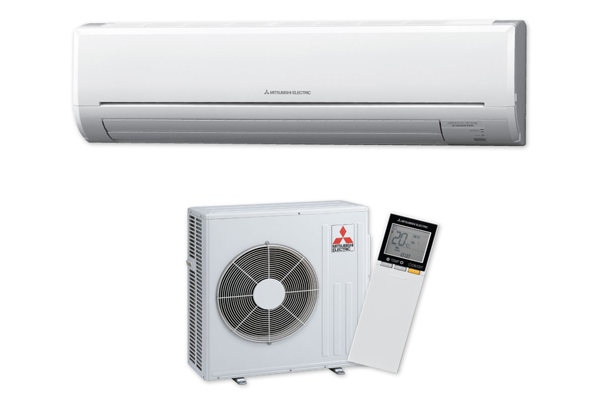
image of a mitsubishi heating and cooling system

What Are The Parts Of An Indoor Air Handler?

Indoor air handlers play a key role in ensuring that your HVAC system works properly. They help regulate temperature and circulate air inside your home. The indoor air handler has several components that help deliver the required home comfort necessary to keep your indoor conditions at their most ideal. These components include:

Evaporator Coil

The evaporator or indoor coil is a major component of the refrigeration cycle of the HVAC system. To produce cool air, the coil eliminates humidity indoors which helps lower room temperature. When air passes over the coil, the air is cooled, then pushed through the indoor unit and released into the rooms. To produce warm air, the coil heats up the air that is passed over it before it is released into indoor spaces.

Explore Mitsubishi Ductless Heating And Cooling Systems Call To Make An Appointment

Blower Motor

The blower motor physically moves and circulates air indoors. Blower motors typically come in three speeds: single-speed, multi-speed, and variable-speed. Here’s a look at what to expect from these speeds.

  • Single-Speed: A single-speed blower motor has a single fixed speed. The motor simply cycles on and cycles off, depending on how the thermostat or control system is set. This type of motor runs at 100% capacity when operational.
  • Multi-Speed: Multi-speed blower motors offer several speeds to choose from to suit your comfort needs at home. When the thermostat or control system is set at high-demand, the motor will work at 100%. If the thermostat is set at a low-stage setting, the motor will work at a slower speed. However, even with the reduced motor speed, the system can still reduce humidity, remain energy-efficient, and maintain consistent home comfort better than a single-stage system.
  • Variable-Speed: In a variable-speed motor, the fan speed will depend on the specific comfort requirement you have. If your air handler has a variable-speed motor, it can be set to control air circulation precisely. It can also adjust the speed automatically to run at different capacities. As such, it can increase or decrease its rate so that the exact demand for heating or cooling is met. A variable-speed motor provides improved comfort and efficiency, with quiet operation. It runs at a lower cost without compromising comfort.


Vibration Isolators

When blowers are running, they produce a vibration, which creates noise. Often, the sound that the fans make can be distracting and annoying to household members. Consequently, HVAC systems have with vibration isolators to reduce the sound. These thick rubber isolators work by dampening the sound of the blowers by absorbing and controlling soundwaves. As a result, it eliminates the vibration, preventing the sound from transferring to the structure of the HVAC system. An HVAC contractor can also insert a flexible section or a mounting bracket between the air handling unit and the mounting bracket to help control the noise.

image of a ductless hvac filtering system

Filter

Most HVAC systems have built-in air filters to trap dirt, dust, pollen, allergens, and other particulates and contaminants. Air filters help maintain indoor air quality and ensure that indoor air is safe to breathe. Air filters are especially helpful in reducing the risks of allergies and respiratory issues among household members who are prone to these problems.

Although window air conditioners also have air filters, these can only manage to trap larger particulates, such as pet fur. Ductless mini-splits and central ACs, on the other hand, have air filters that can trap smaller particles. Some ductless models and brands even have multi-stage filtration features to ensure that you have the cleanest and healthiest air at home.

Thermostat And Controls

HVAC systems have controls that allow you to regulate its settings. This means you can control air temperature, humidity levels, airflow rate, air quality, etc. Some models have a basic control that only turns the system on or off. There are also units that offer more advanced features such as building automation and automatic, centralized control.

Learn More On How Ductless Works Schedule A Free Mitsubishi Consultation

Drain Pipe

When the HVAC system is in the cooling cycle, it produces air that is at a temperature several degrees lower than the natural room temperature. As a result, the surrounding air condenses and turns to liquid. The liquid, or water droplets, form on the cooling coil, fall off and is collected by a drain pan. Water from the drain pan then flows to the component known as the drain line, which takes the water away from the indoor air handler. This line usually connects to the HVAC outdoor unit, where the water is finally disposed of.

Louvers

Louvers or fins are the components through which conditioned air passes before being released into the room. In a ductless HVAC system, the louvers are adjustable. You can change the direction and angle of the warm or cool air, so it directs where it is needed. Vertical louvers direct the flow of the air from left to right while horizontal louvers direct airflow up and down. Louvers may be manually or remotely controlled. They can be fixed in one position or set in rotation mode. When louvers are in rotation mode, the indoor air handler distributes conditioned air evenly throughout the room.


Air Handler Accessories

There are actually different accessories that an HVAC technician can add to the indoor air handler to improve its function and optimize its capacity. One of these is the electric heater. It can be installed in the HVAC system’s air handling unit to supplement the heating capability of the condenser. It helps produce warm air by increasing the temperature of the coils. When air passes over these coils, it becomes warm before being distributed to the room.

Another accessory to consider is UV or ultraviolet lighting. An HVAC contractor can add UV light to the air handler to neutralize airborne bacteria and viruses. It works in tandem with the HVAC system’s air filter to purify interior air. You might also want to consider installing an air filter box or a water safety cut-out switch to enhance your HVAC system.

Call To Schedule A Free Consultation

Repairs and Replacement Of Your Ductless Indoor Air Handler

When your HVAC system is working well, you should not have any issues whatsoever regarding the comfort of your home. However, if you are having problems with the airflow, you might have an issue with a damaged air handler or a faulty blower motor. When and if these issues show up, you need to have these components replaced. Fixing them will only offer a temporary solution. This is especially true if your indoor air handler is an older model.

It is also important that you know the early signs of a faulty HVAC air handler. Watch out for unusual sounds such as rattling or clanging noises, which could point to a damaged blower fan or loose air handler. There are many reasons why an air handler could fail. If it stops functioning correctly, do not hesitate to call your local technician to have it inspected.


Maintaining Your Air Handler

The air handler affects the energy efficiency of the HVAC system and your indoor air quality. It is important that you ensure it is working properly. To keep it in top shape, make sure to clean it regularly. Dirty air handlers circulate dirty air that can affect your health. If you fail to clean it regularly, it will also become less efficient. As a result, it will consume more energy than it should.

You should also change or clean the air filters regularly. If possible, consider installing accessories that will help improve the function of your HVAC system. A UV light, for example, will help reduce the population of harmful microorganisms to a very low level. The UV light will also help prevent the growth of mold in the air handler. Have the system undergo a tune-up by a qualified HVAC professional every year.

Check Out One Of Our Ductless Installation Projects

Case Study: Clark Mitsubishi Ductless Installation In Sewaren NJ

Conclusion

If you need to have your air handler inspected or replaced, seek the advice and assistance of a professional HVAC technician. A qualified expert will ensure that your system remains reliable all year round.

Call Skylands Energy Service For All OF Your Home Comfort Needs

image of skylands energy service logo

A ductless system will provide you with low energy costs, increased home comfort, healthy indoor air quality, and safety. If you are ready to switch to a ductless system or have more questions, call Skylands Energy Service right away. Our NATE-certified technicians will discuss your needs and requirements to help you find the best ductless HVAC system setup for your home. We offer a range of heating and cooling services, including installations, repairs, replacements maintenance, and more. We also provide free in-home estimates. Call Skylands Energy Service today.

Call Now: (908) 707-1776

Contact us now at (908) 707-1776 to find out more!


The post Ductless Indoor Air Handlers: What You Need To Know appeared first on Skylands Energy.


from Skylands Energy https://www.skylandsenergy.com/ductless-heating-cooling/ductless-indoor-air-handlers
via IFTTT

Monday, December 23, 2019

Three Steps To Creating A Zoned Mini-Split System

ductless multi-zone setup

Ductless mini-split systems offer the convenience of allowing you to take control of temperatures in different zones or rooms. There are two major components in a mini-split system – the indoor air handler and the outdoor condenser/compressor. A conduit connects these components which HVAC contractor threads through a 3-inch hole in the wall.

Mini-split systems are the preferred solution for new homes because of the features they offer. However, they also work well for new constructions or add-ons, especially for homes where installing a ductwork system is impractical. Homeowners also use them to supplement their existing central HVAC system. They install ductless systems in rooms that are frequently in use and rely on their central units less. This helps lower home heating and cooling costs. A ductless mini-split system is safe, efficient, flexible, and cost-effective. This is why it is becoming the preferred heating and cooling system for many homeowners.

Learn More About Mitsubishi Ductless Systems Call To Schedule A Free, In-Home Estimate

How To Create A Multi-Zone Setup Using A Ductless HVAC System

Ductless mini-splits offer several benefits. In this article, we will show you a simple guide to create your own zoned mini-split system in just three steps.

Step One: Know The Ductless Size Required

Size refers to the capacity of the ductless mini-split system. This is the first factor you should always consider when buying an HVAC system, regardless of its type. Size is an indicator of the capability of the ductless system to heat or cool your home. BTUs or the British Thermal Unit indicates the size of the ductless unit. It refers to the amount of heat required to increase the temperature of 1 lb. of water by 1°F.

mitsubishi heating and cooling system

Sizing Your Mini-Split

You must choose the correct mini-split system size so that it is capable of generating the desired temperature. Remember that the higher the BTU rating of a ductless mini-split, the higher its capacity to provide heating and cooling. For example, a ductless system with 6,000 BTUs is capable of heating an enclosed space measuring about 150-250 sq. ft. On the other hand, a ductless system with 24,000 BTUs is capable of heating and cooling an enclosed space measuring 1,400-1,500 sq. ft. A larger ductless mini-split system can also condition the air in larger areas.

Improper system size leads to problems over the long term. If it is too small (meaning, the BTU is too low), it has to work more than normal to maintain a specific temperature. Even an overworked system will still fail to produce enough heat or cool air to keep rooms comfortable. Consequently, there will either be warm or cool spots all over the house.

If the system turns out to be too large (the BTU is too high), it could begin to short cycle, turning on and off frequently. As such, the system will consume more energy and give in to premature wear-and-tear. Also, your home will have uncomfortable humidity levels.

To avoid these problems, make sure that you size your ductless mini-split system correctly. Units that are improperly sized will be inefficient and suffer premature failure. You will also experience low-quality home comfort and increased cost. Talk to your local HVAC technician on how to determine the right size ductless mini-split system for your home.
Call Today: (908) 707-1776


Nominal Vs. Actual

At the factory, condensers have to undergo a performance test to determine their size. The test is conducted under ideal conditions to mimic normal day-to-day use. The result of this test is known as the nominal capacity rating. This rating is an indication of the size and capability of the condenser so consumers can compare it with others.

While the test is helpful, the conditions in the factory are not always the same as in the real world. That is where the actual capacity rating becomes important. The performance of a ductless mini-split system will depend on several factors, such as installation variations, line-set length, humidity, and outdoor temperature, among others. All these factors will affect the ultimate performance of the system.

The truth is that some ductless mini-split systems work harder in extreme heat and work normally when necessary. If the room or space you have is in the mid-range of sizes, consider getting a ductless mini-split that is a size larger so it can perform well when required. Once again, it is best to consult with a professional ductless installation company to find the best size mini-split unit for your home.

Explore Mitsubishi Ductless Heating And Cooling Systems Call To Make An Appointment


Step Two: Selecting A Ductless Condenser

Once you know the right condenser size for your home, you need to determine the type of condenser that is best for your heating and cooling needs. If you want to create multiple zones, you need to choose between a multi-port and a branch box type condenser.

Branch Box Type

A branch box is a type of sophisticated condenser system that connects the condenser to the indoor air handler. It is often in higher-capacity multi-zone outdoor units such as those that utilize eight-zones. Branch boxes require only a single connection from the condenser to supply multiple indoor air handlers with sufficient amounts of refrigerant. If there are two connected branch boxes, some ductless mini-splits can even handle as many as nine zones using just one condenser.

Remember that branch boxes tend to be manufacturer-specific, so it is likely that a condenser can only support specific branch-box combinations. If a branch box seems like a good option for you, talk to an HVAC professional about how to choose the right type.

Learn More On How Ductless Works Schedule A Free Mitsubishi Consultation

Multi-Port

Multi-ports are a type of condenser that has built-in refrigerant ports. These allow several connections between the outdoor unit and the indoor units. It is an all-in-one condenser that is easy to use. It allows you to use multiple zones that can be controlled independently without needing to braze supplemental pipe connections.

Multi-port condensers are more affordable than branch boxes. However, they do have reduced flexibility and limited capacity. There are also fewer line set lengths available. You will also need to have several line sets that have to be installed outdoors, which can be quite unappealing for many homeowners.

Branch Boxes Vs. Multi-Ports: Which Is Best?

Both branch boxes and multi-ports have benefits and limitations. Multi-ports, for example, are easier to install, require fewer components, and do not need a lot of labor. With a multi-port, you can have as many as five different zones in the home. However, multi-ports tend to have lower BTU capacity and require lengthier line set runs.

Branch boxes boast of higher BTU capacity. They are also more flexible and allow as many as nine zones in the home. On the downside, branch boxes have more complex systems that require a more intricate installation with more parts.

To determine which condenser to choose, examine the difference of each type to identify the one that will meet your needs and requirements. It is best to talk to an experienced HVAC contractor to determine which option will meet your needs best.

Call To Schedule A Free Consultation

mitsubishi outdoor condenser

Step Three: Choosing A Ductless Indoor Air Handler

The last step in building a zoned ductless mini-split system is identifying the type of indoor unit your home needs. There are several types for you to choose from.

Wall-Mounted Ductless Systems

Wall-mounted indoor units are the most common air handling units available. They are easy to install, very efficient, and very affordable. Because they tend to be popular, they are sold in different models, efficiency, and sizes.

Wall-mounted units are installed on vertical walls. They require a three-inch hole to be drilled through to connect the refrigerant lines, connecting wire, and drain tube. For the best conditions, make sure that the room has no high windows and has wide walls. If these are not possible, you might have to consider a different ductless indoor air handler type.

Floor-Mounted Ductless Indoor Air Handlers

Floor-mounted indoor air handlers are installed near the floor, suspended by a minimum of six inches from the floor surface. If there is no wall space available or if you have high windows, this type is a good option. It is also recommended if the rooms in your home have ceilings that are slanted or are too low.


Ceiling Cassette Ductless System

Ceiling cassette indoor air handlers are mounted in the ceiling. These are the best option for you if you have a type of drop ceiling. It is also a good option for joist ceilings and drywall installations as long as there is sufficient space. The advantage with a ceiling cassette is that once installed, the only components that are visible in the room are the grilles through which conditioned air is passed through.

Concealed Duct Indoor Air Handlers

Concealed duct indoor air handlers allow excellent flexibility and concealment. With this type, the unit is installed out of the zone. It is similar to the ceiling cassette in that only grilles are visible in the system. Concealed ducts combine traditional central forced-air systems with ductless mini-splits. They can be installed in crawlspaces, closets, and attics. They deliver warm or cold air through the ductwork.

Concealed ducts are nearly invisible, and they are perfect for keeping the aesthetics of a room. If your ceiling cannot handle a ceiling cassette type, you can use a concealed duct instead. However, this type of indoor air handler is not considered comparably efficient.

Ceiling-Suspended Ductless Units

Ceiling-suspended indoor air units are installed onto a ceiling. They may be installed below the ceiling using threaded rods – perfect if there are other appliances installed on the ceiling as well. Since these appliances can block the airflow from the ceiling unit, the threaded rods are necessary. There needs to be an eight-foot clearance from the floor to the unit. The unit also has to be installed next to a wall and never in the middle of your ceiling.


Check Out One Of Our Ductless Installation Projects

Case Study: Clark Mitsubishi Ductless Installation In Sewaren NJ

Conclusion

Now that you have the three steps mastered, you have the information needed to help you create your zoned ductless mini-split system. However, if you still have questions and clarifications, do not hesitate to call for assistance. A qualified professional HVAC technician can help you navigate the sometimes-confusing waters of ductless VAC systems so you can find the best solutions that will allow you to customize your comfort when and where you need it.


Call Skylands Energy Service For All OF Your Home Heating And Cooling Needs

A ductless system will provide you with low energy costs, increased home comfort, healthy indoor air quality, and safety. If you are ready to switch to a ductless system or have more questions, call Skylands Energy Service right away. Our NATE-certified technicians will discuss your needs and requirements to help you understand the best ductless HVAC system setup for your home. We offer a range of heating and cooling services, including installations, repairs, replacements maintenance, and more. We also provide free in-home estimates. Call Skylands Energy Service today.

Call Now: (908) 707-1776

Contact us now at (908) 707-1776 to find out more!

The post Three Steps To Creating A Zoned Mini-Split System appeared first on Skylands Energy.


from Skylands Energy https://www.skylandsenergy.com/ductless-heating-cooling/zoned-mini-split-system
via IFTTT

Monday, December 9, 2019

Choosing Between A Single-Zone & A Multi-Zone Ductless System Setup

ductless mini-split system

When you have decided that a ductless heating and cooling system is the best type of HVAC for your home, the next step is to determine if you will purchase a single-zone or a multi-zone ductless system. To better understand these two ductless HVAC types, we have compiled the answers to some vital questions.

What Does Zoned Cooling And Heating Mean?

Zoned cooling and heating is when a home has different zones that allow for targeted temperature control. Although a central HVAC system can also do the same job, a ductless system is a more innovative HVAC system. It is specifically designed for temperature zoning. Therefore, it is more efficient and practical if you want to achieve optimum home climate control.
Learn More About Mitsubishi Ductless Systems Call To Schedule A Free, In-Home Estimate


Benefits Of Zoned Cooling And Heating

A ductless HVAC system offers the following benefits:

  • Precise Temperature Control: Ductless systems let you heat or cool any zone or room through an individual thermostat and remote control. Many of the highly-advanced ductless systems today can be controlled via an application on your smart tablet or mobile devices. This connectivity allows you to easily manage your ductless system and the temperature in your home.
  • Customized Comfort: Ductless HVAC systems allow you and your family to customize comfort. It enables you to choose the temperature based on your specific preferences and needs for each zone. This way, there is no need for you and your family to fight about what temperature you should set on the thermostat.
  • Cost-Efficiency: Ductless mini-split systems typically consume less energy compared to traditional HVAC systems even while it is working at full capacity. Ductless systems also have high SEER, HSPF, and EER ratings. Not only that, but a ductless system avoids a major cause of energy loss, such as duct leaks, common with forced-air HVAC systems. As a result, your home is more energy-efficient and cost-efficient as well.
  • Compact And Versatile Design: Since ductless systems do not use ductwork, it is compact and unobtrusive.
Call Today: (908) 707-1776

zoned heating and cooling

What Is Single-Zone Cooling And Heating?

Single-zone cooling and heating is when a single indoor unit is used to cool or heat one room or zone. Although you can have a single-room HVAC system, such as window air conditioners, a single-zone ductless system is still the best choice. It is because a ductless system has higher efficiency, which allows for better performance and more savings. Ductless systems also have advanced filtration, improving your indoor air quality. Window units are notorious for creating the perfect environment for mold and bacteria, leading to poor indoor air quality.

Single-Zone Ductless Applications

Single-zone ductless systems work best for when you are adding rooms to your home. It is also best for when you are converting any room in your home into a new functional area. For instance, if you are thinking of converting your attic into another bedroom, then installing a ductless system will work best in this situation. It is also the right choice for when you are remodeling your home or constructing a new one. Also, if you are thinking of upgrading or replacing your old HVAC system, then you might want to consider a ductless system instead. If you want to rely less on your central HVAC system, then you can install a ductless system in a room that is frequently in use.

A single-zone system helps you the most if ductwork is an issue. If your home or addition cannot accommodate ductwork, a single-zone ductless system is an answer to your problems. Installing ductwork might not be possible due to various reasons. It can be because it is not practical to do so. Other causes include expanding the existing ductwork might be too expensive, or you have a historic home that cannot accommodate ductwork. Fortunately, a single-zone ductless system allows you to enjoy all the perks of a traditional system and more. Also, if you want to be energy-efficient, then a ductless system is a must. Many of the heating and cooling issues most households encounter are a direct cause of the limitations that traditional and ducted HVAC systems have.

Explore Mitsubishi Ductless Heating And Cooling Systems Call To Make An Appointment


What Is A Multi-Zone Ductless HVAC System?

Multi-zone heating and cooling, on the other hand, is when you have two or more indoor units connected to one outdoor compressor. The number of indoor units depends on the number of zones or rooms you want to cool or heat. One compressor can connect to as much as eight indoor air handlers.

Multi-Zone Ductless Applications

There are several situations wherein a multi-zone ductless cooling and heating system is your best option. For example, a multi-zone setup works well when your house has two or more floors. Another is when the house you live in is just too old that installing ductwork is not an option. It could also be that you have a ducted system that isn’t capable of cooling or heating your whole house properly.

You might also find yourself in a situation where you and your family repeatedly argue about temperature inconsistencies or what specific temperature your centralized HVAC system should stay on. If so, then a multi-zone ductless HVAC system is perfect for you. Each indoor unit has with individual controllers. Therefore, you can set different temperatures in different rooms and zones, depending on your preference. You can also turn off the system in unoccupied rooms, ensuring that you are as energy-efficient as possible. Enhancing home comfort while having substantial savings is the primary reason many families are switching to ductless multi-split systems.


Single-Zone And Multi-Zone Ductless Systems: What Are The Differences?

Aside from the obvious, a single-zone and multi-zone system differ in the following aspects:

  • Cost: Installing a multi-zone ductless system costs more than installing a single-zone system. The price is proportionate to the number of indoor units needed to cool and heat your home comfortably. For instance, if your home has three designated zones, then you would need three indoor units. As a result, this would cost more than having a single-zone ductless system.
  • Installation: Ductless mini-splits are relatively quick and easy to install. A single-zone system is easier to install compared to a multi-zone simply because of the number of units that needs to be set up.
  • Additional Components: A single-zone system usually only requires three primary components. These are an indoor unit, an outdoor unit, and a refrigerant set line. With a multi-zone system, you can expect additional materials for the installation. It depends on the number of cooling and heating zones you have. More zones require more combinations of these three main components.
Learn More On How Ductless Works Schedule A Free Mitsubishi Consultation


What Are Your Indoor And Outdoor Ductless Unit Choices?

After finding out all that you can about single-zone and multi-zone systems, it is also best that you know about the different kinds of ductless indoor and outdoor units available on the market. This way, you can make the best possible decision and achieve the home comfort you deserve.

The outdoor unit of a mini-split is just the condenser or compressor unit. These may differ in capacities, but they are all similar in appearance. On the other hand, the indoor unit of a ductless system differs when it comes to capabilities and characteristics. It also comes in different styles. These are the following:

  • Wall-Mounted: As the name suggests, the indoor unit is set up on the wall. This is the most common type of ductless unit. It is also the easiest to install and the least expensive one.
  • Horizontal-Ducted: This type is the least obtrusive choice. The indoor unit is placed above a ceiling or soffit and sends air to different zones via hidden ducts. This type is also called concealed because you can only see the grilles that are placed in each room.
  • Ceiling Cassette: Also known as ceiling recessed, this type of indoor unit is placed discreetly in the ceiling. It can send cold or warm air in all four directions at the same time. Hence, it is an excellent choice for large open floor plans. But it is also durable enough that it can be placed anywhere, even in cramped areas.
  • Floor Mounted: This type of indoor unit is placed either near the floor (usually under a window) or resting on the floor. It is the easiest type to maintain because of its location.

mitsubishi heating and cooling system

Which Type Of Ductless Heating & Cooling System Is The Best Choice For Your Home?

Choosing between a single-zone system and a multi-zone one is not so much about determining if one is better over the other. What matters the most is finding out your household’s needs, situation, and requirements. There are quite a few things to investigate to truly determine whether a single-zone or a multi-zone ductless system is right for you. These include the size of the space you require for heating and cooling, your budget, the feasibility of the installation, and more.

If you are still unsure of which one will work best for your home, seek the help of your local trusted HVAC expert, like Skylands Energy Service. Our professionals have the knowledge and experience to ensure that you achieve optimum home comfort, whether it is with a single-zone system or with a multi-zone system. We can also suggest which type, make, and model best suits your home. Our team of HVAC contractors can assist you from start to finish, making sure that you get the most out of your ductless mini-split.

Check Out One Of Our Ductless Installation Projects

Case Study: Clark Mitsubishi Ductless Installation In Sewaren NJ

Call Skylands Energy Service To Learn More About Ductless HVAC Systems

skylands energy logo retina

A ductless system will provide you with low energy costs, increased home comfort, healthy indoor air quality, and safety. If you are ready to switch to a ductless system or have more questions, call Skylands Energy Service right away. Our NATE-certified technicians will discuss your needs and requirements to help you understand the best HVAC system for your home. We offer a range of heating and cooling services, including installations, repairs, replacements maintenance, and more. We also provide free in-home estimates. Call Skylands Energy Service today.

Call Now: (908) 707-1776

Contact us now at (908) 707-1776 to find out more!


The post Choosing Between A Single-Zone & A Multi-Zone Ductless System Setup appeared first on Skylands Energy.


from Skylands Energy https://www.skylandsenergy.com/hvac/single-zone-vs-multi-zone-ductless-system
via IFTTT

How to Tell If Your Furnace Is Short-Cycling & What to Do

The chill in the air means that winter is on its way. The freezing temperatures are likely to bring discomfort to your home. Make sure that...